Category: Phil Anderson

  • Interview with Gabriella Gerbasi

    Interview with Gabriella Gerbasi

    Interview with Gabriella Gerbasi (GG) by Phil Anderson (PA)
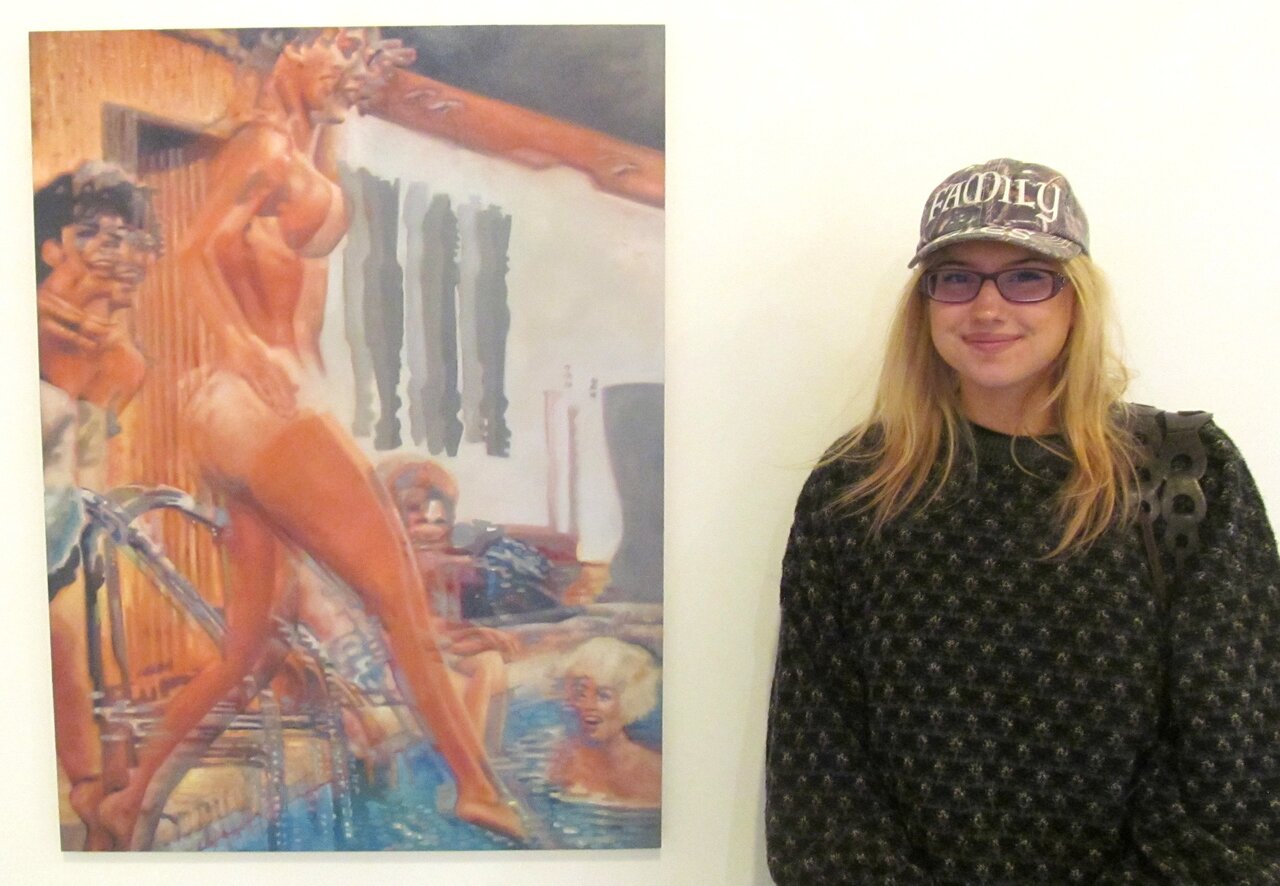
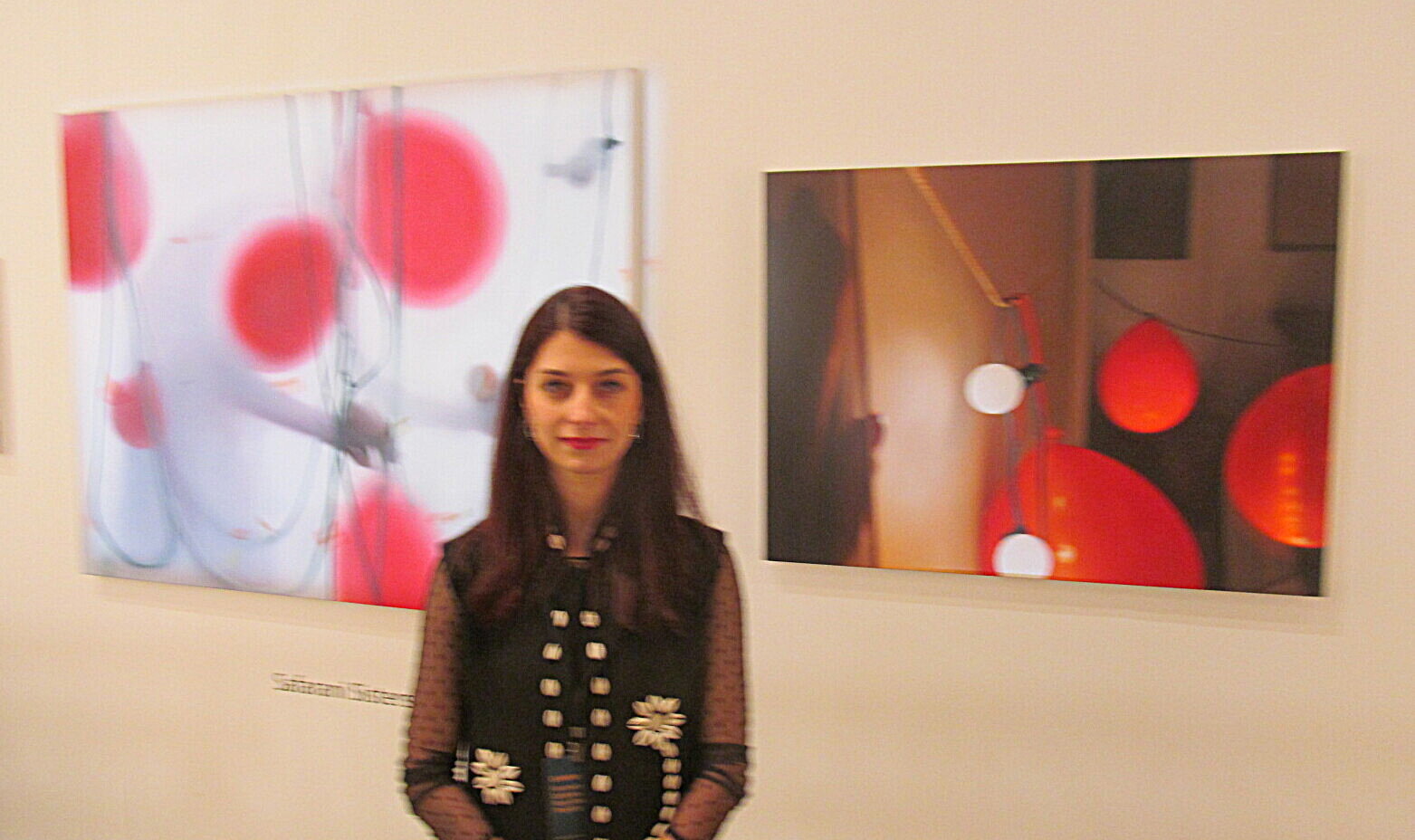
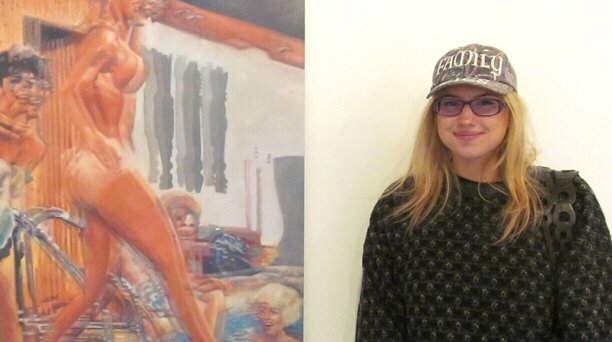
    Gabriella Grebasi at her show at Gallery 1313. Photo: Phil Anderson

    GG: Since I was young, I was always drawing, and I knew I wanted to be an artist. I always had a sketchbook with me and loved to create my own characters and world. It was around senior year of high school that I started to oil paint and instantly fell in love with the medium.

    GG: I originally attended NSCAD for my first year of university. I was only 17 when I graduated and thought it would be best if I stayed closer to home for my first year. I later transferred to OCAD for my second year. I always knew I was going to go to Toronto, as I wanted to live in a city, and that’s where my parents originally lived before moving to Cape Breton.

    GG: The body of work I’ve recently been focusing on primarily surrounds topics related to the female body. I pull a lot from playboy magazines as well as videogames. I like to re-imagine the portrayal of female figures within these mediums and explore different ways of viewing them, creating images that resist easy digestion. Through the overlay of multiple imagery, I want to allow sustained and shifting encounters with the subject that can sometimes be hard to read, while subverting the original material.
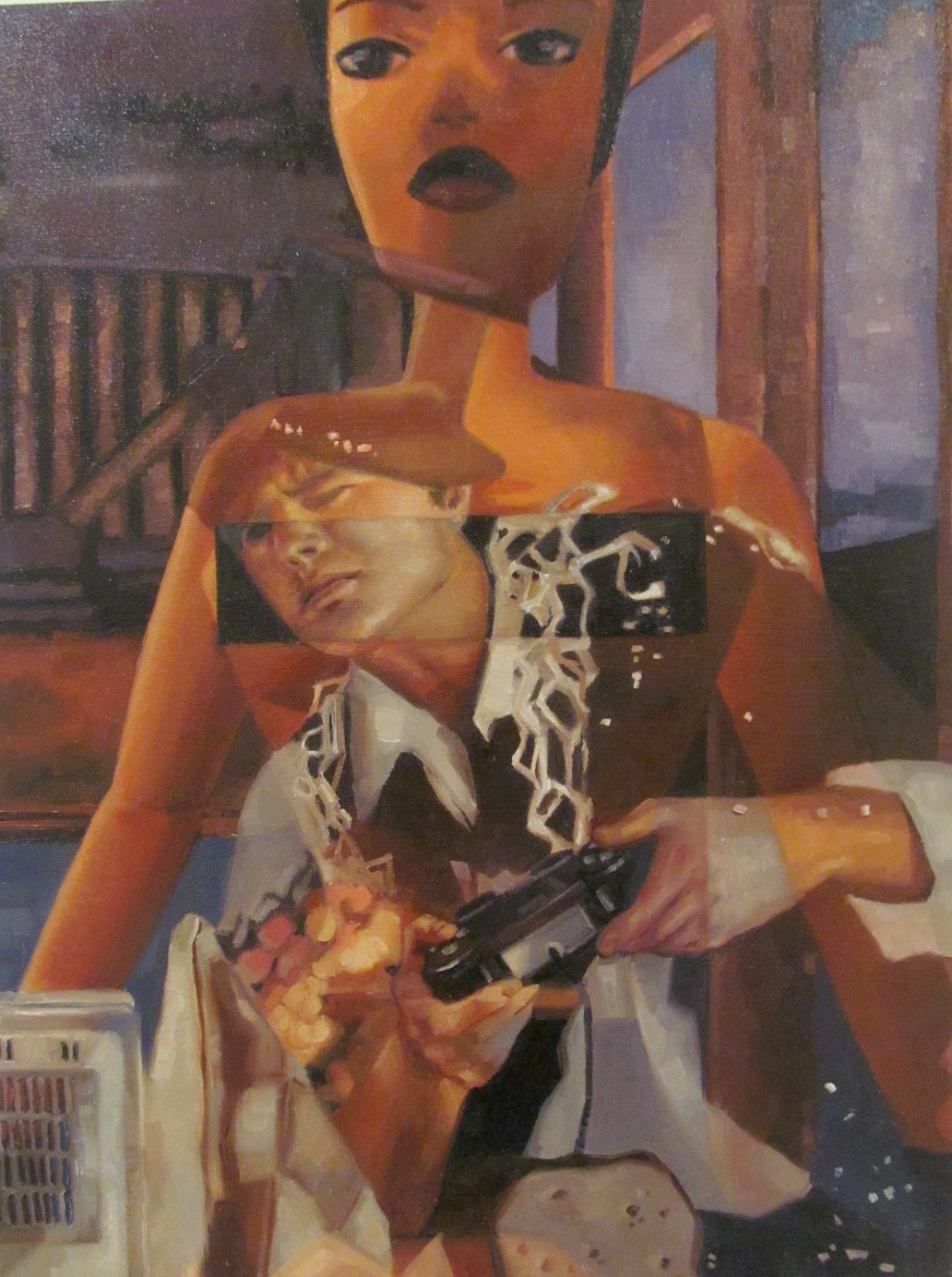
    Nuderaider, Oil on wood, 2025, 16” x 12”

    GG: The subject in my work that relates the most to youth culture would probably be the videogames. It’s something that is not typically digested through oil painting and is a point of relation for a lot of people my age who grew up with digital imagery.

    GG: My original body of work sourced from Playboy and video games, primarily focused on how female characters in video games were represented. Within this research, Playboy served as supporting material to establish a connection between the sexualized representation of women in video games and the porn industry.
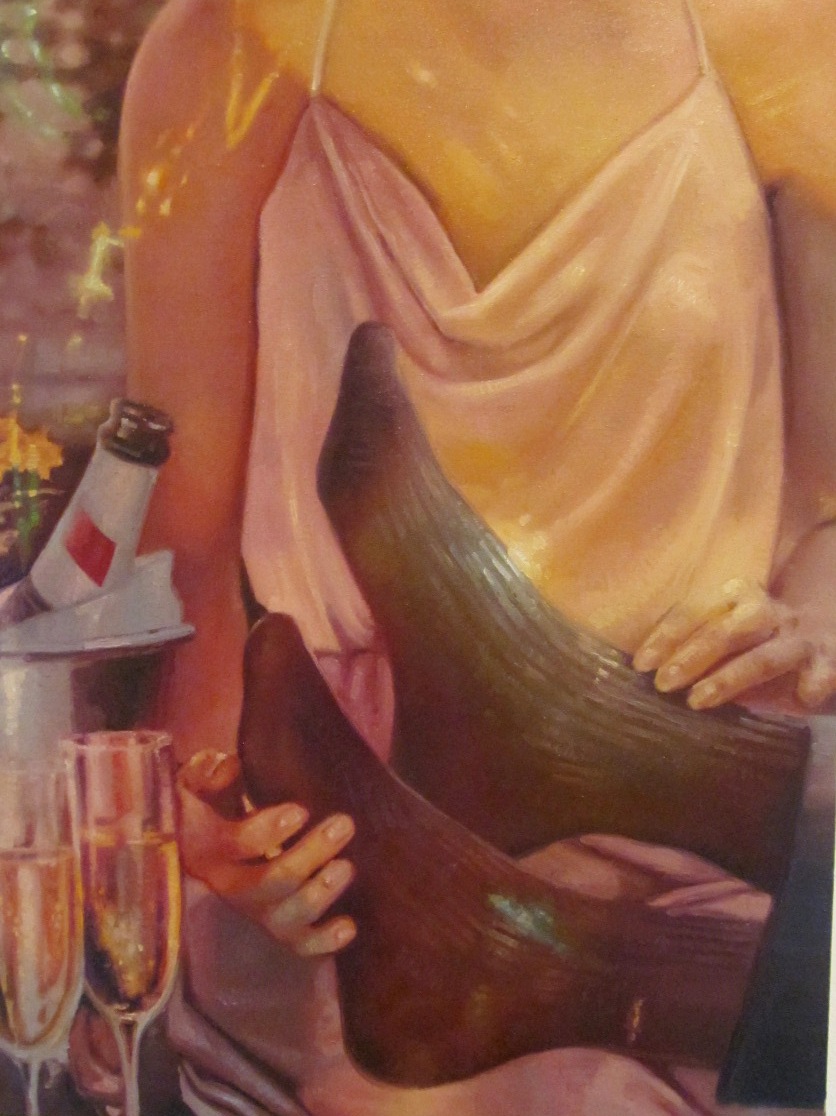
    Holding on, 2026, oil on wood, 6” x 12”

    Moving forward I focused more on how the magazines themselves depicted the female form through consumerist tropes. The newer work feels like an extension of my earlier research, it just shifts away from video game culture. It continues to investigate how images of women are constructed in relation to male desire, consumption, and idealized femininity. Constant throughout these works is the obstructed overlays that disrupt the view of pleasure, instead interrogating how these images are constructed.
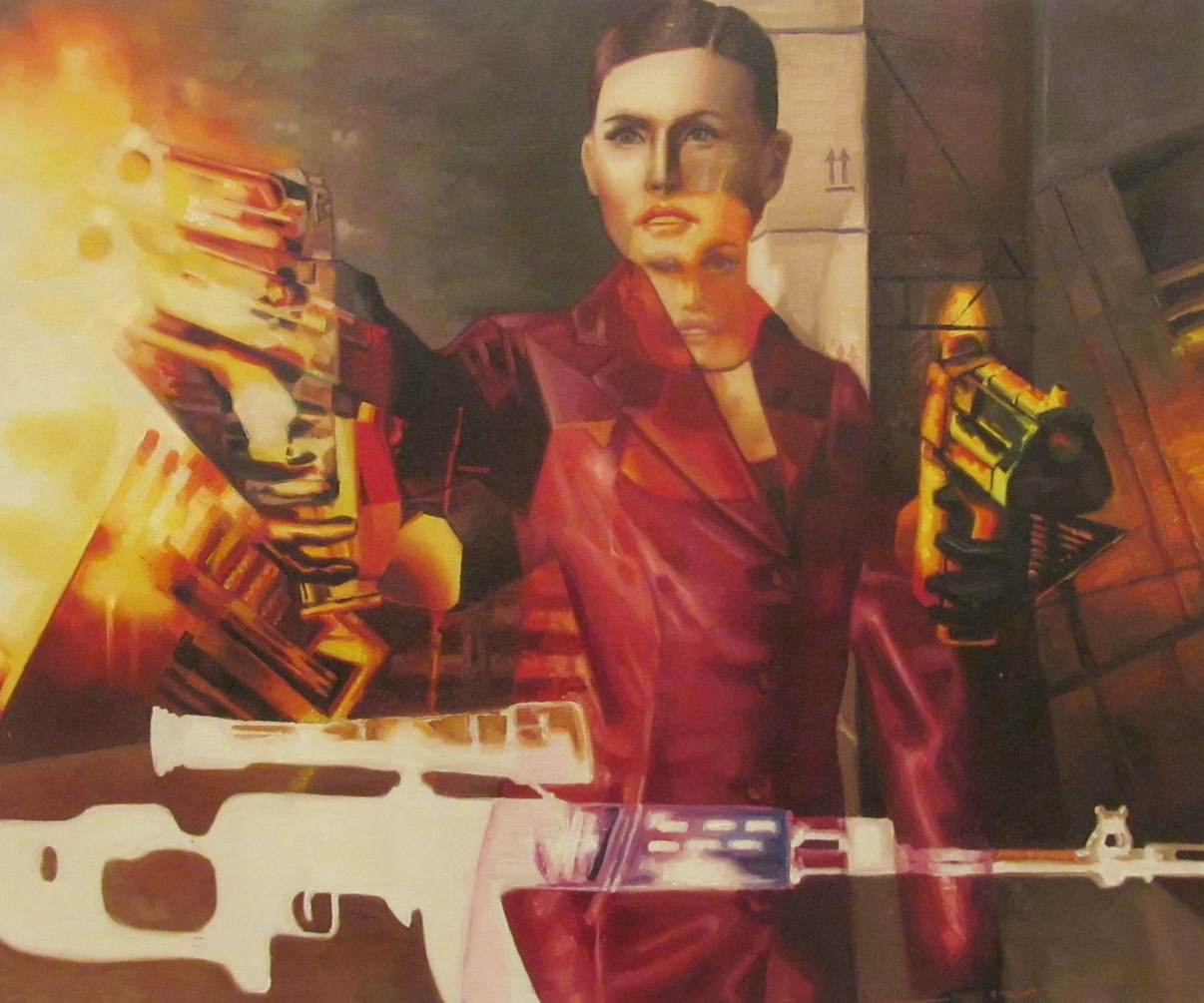
    Mona, 2026, oil on wood, 20″ x 24″

    GG: The work I did for this show, Nue, was inspired by Marcel Duchamp’s Nu Descendant un Escalier No.2. A friend showed me that work during my thesis year and I find that this and similar cubist works have a lot of the same overlaying qualities that I look to achieve. In contemporary practice I would say that Louise Giovanelli is one of my favourite painters. Her use of colour and luminosity within paintings is something I admire.
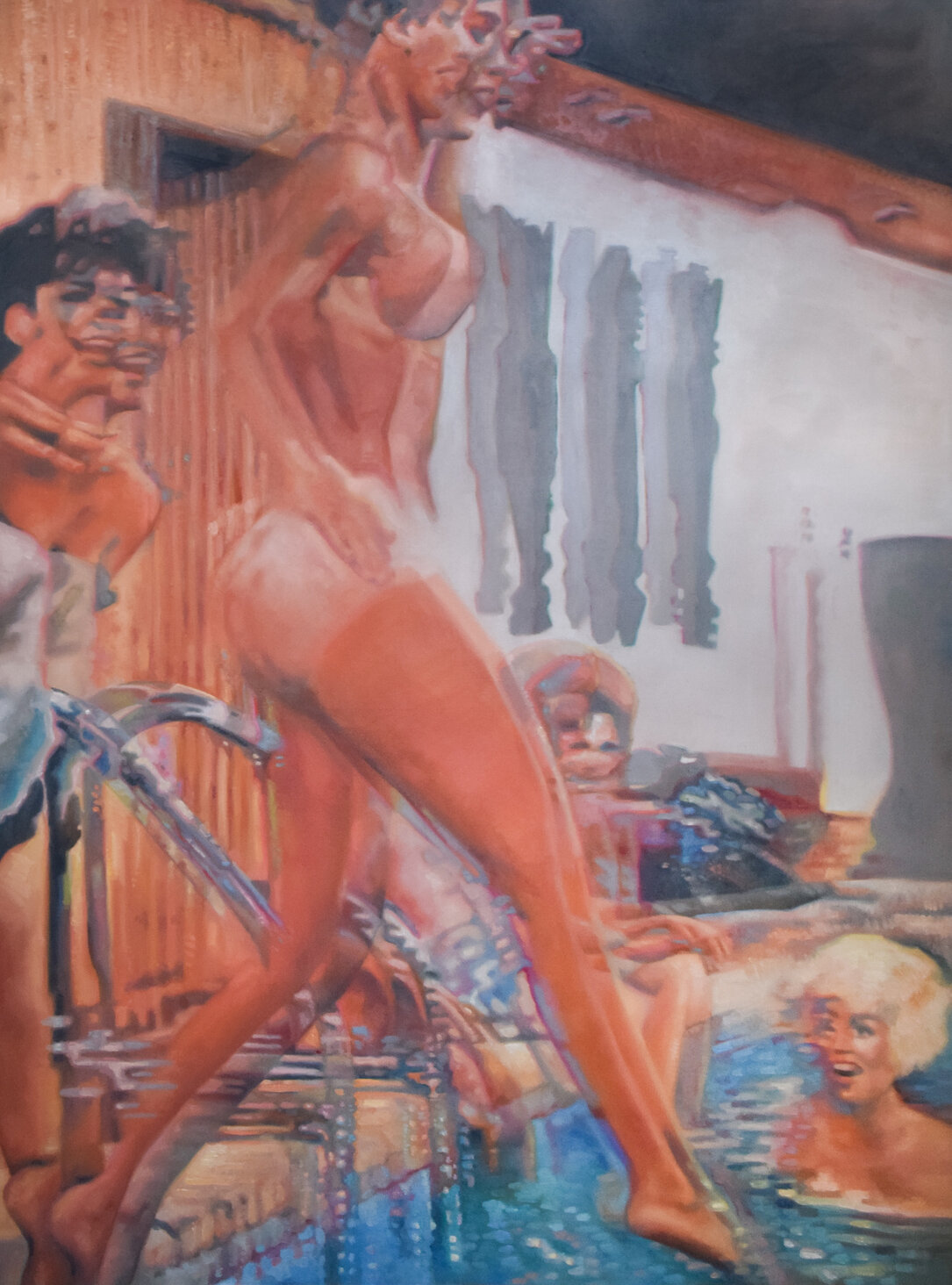
    Nue, 2026, oil on wood, 30” x 40”

    GG: Most of my thesis class and peers have extremely strong work. I look up to a lot of them; their work is constantly evolving. I feel fortunate to be able to watch that and grow alongside them.

    GG: My work has changed a lot since I started school. I used to do a lot of still life, portraits, and then more surrealist imaginative works that involved the human form.
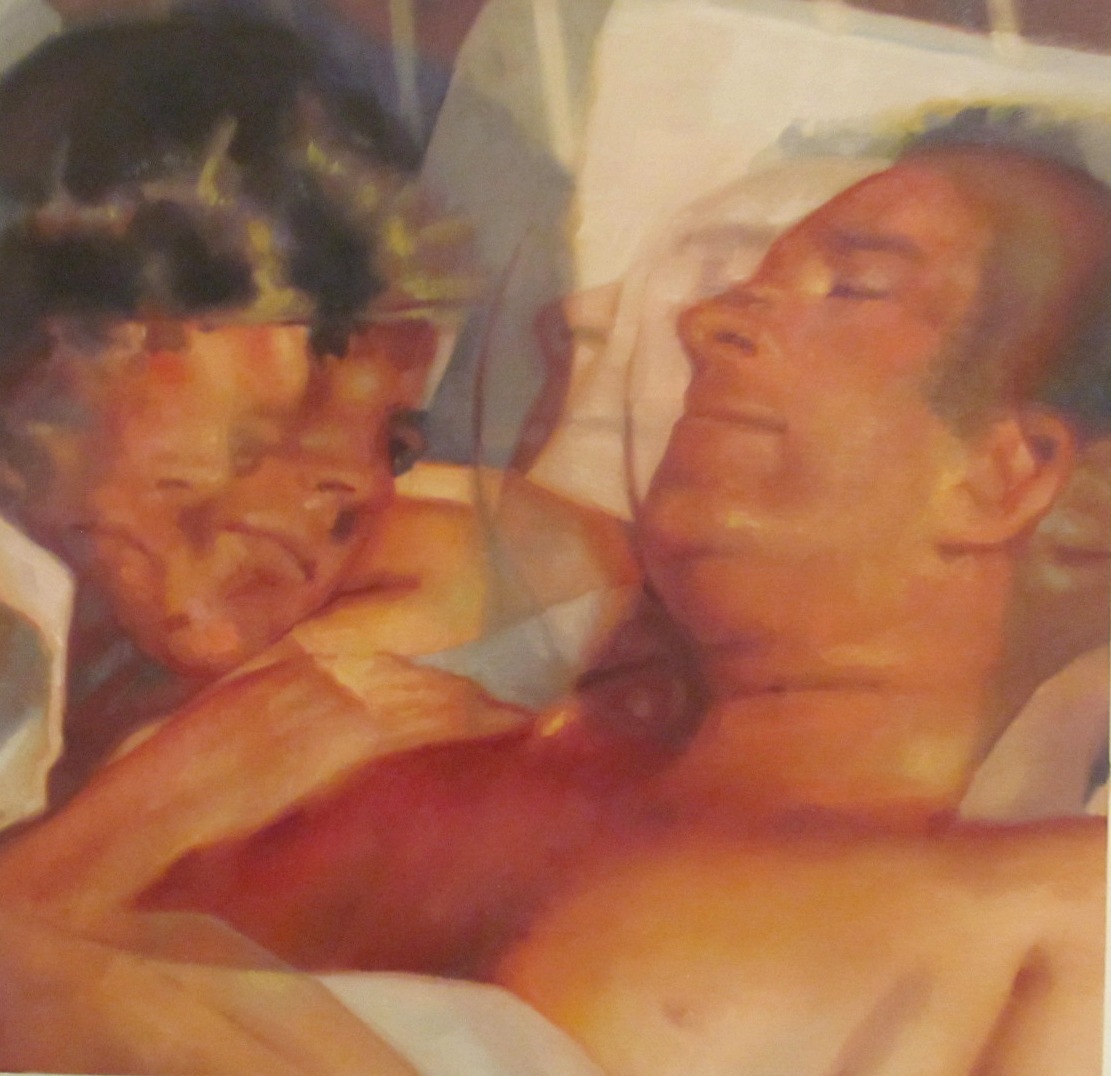
    Milk, 2026, oil on wood, 16” x 16”

    GG: I’ve been working on some new work with a friend of mine that I’m excited about. Besides that, I’ve just been applying to everything that interests me.

    GG: I would like to eventually do a masters I think. Now I’m enjoying not being in school and just exploring what Toronto has to offer.

    *Images are courtesy of the artist
  • Art Toronto 2026

    Art Toronto 2026

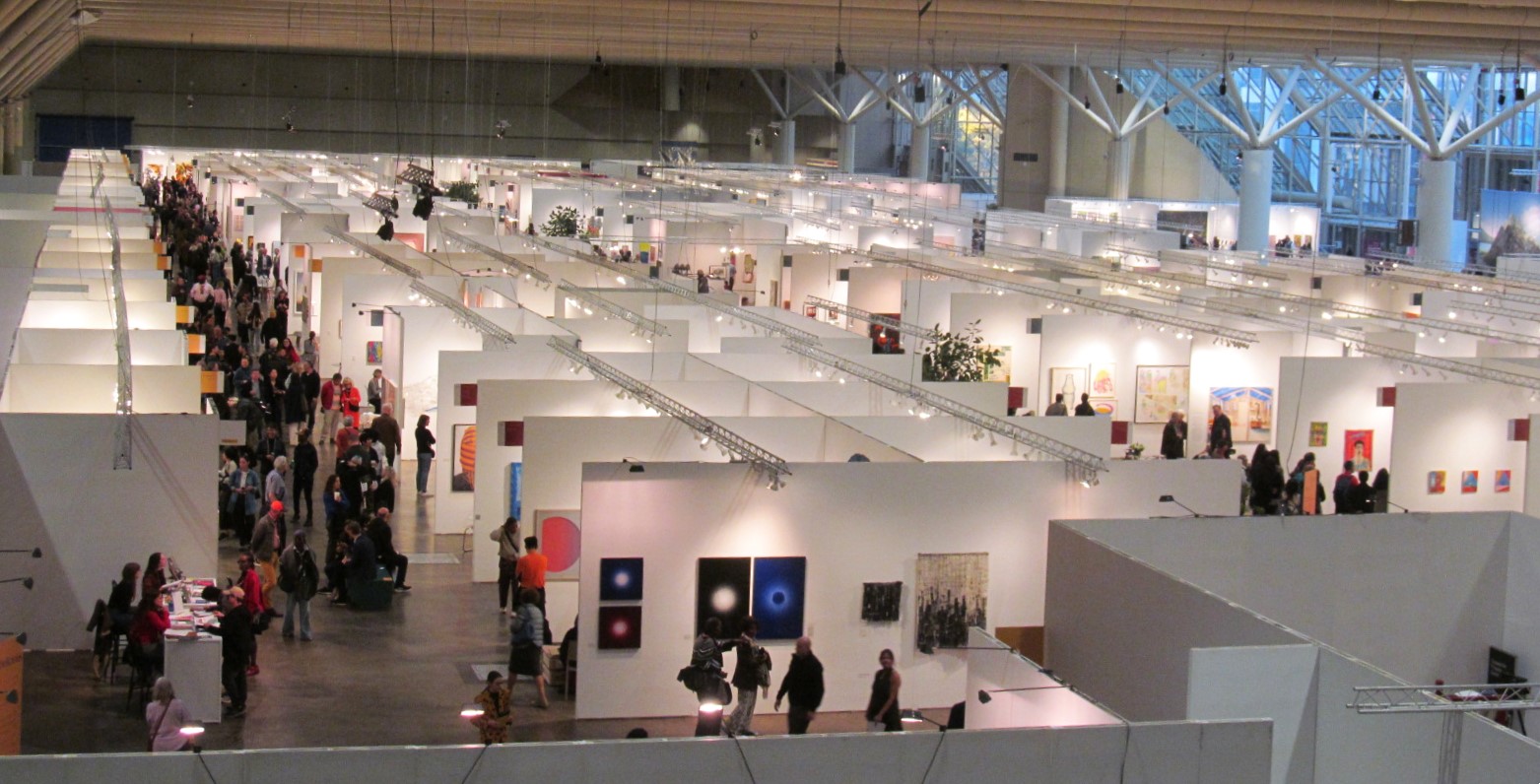
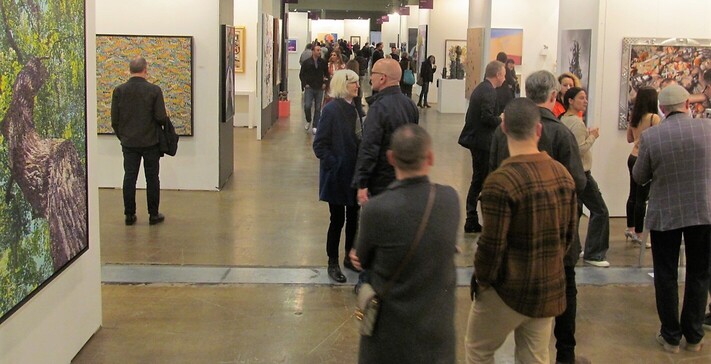
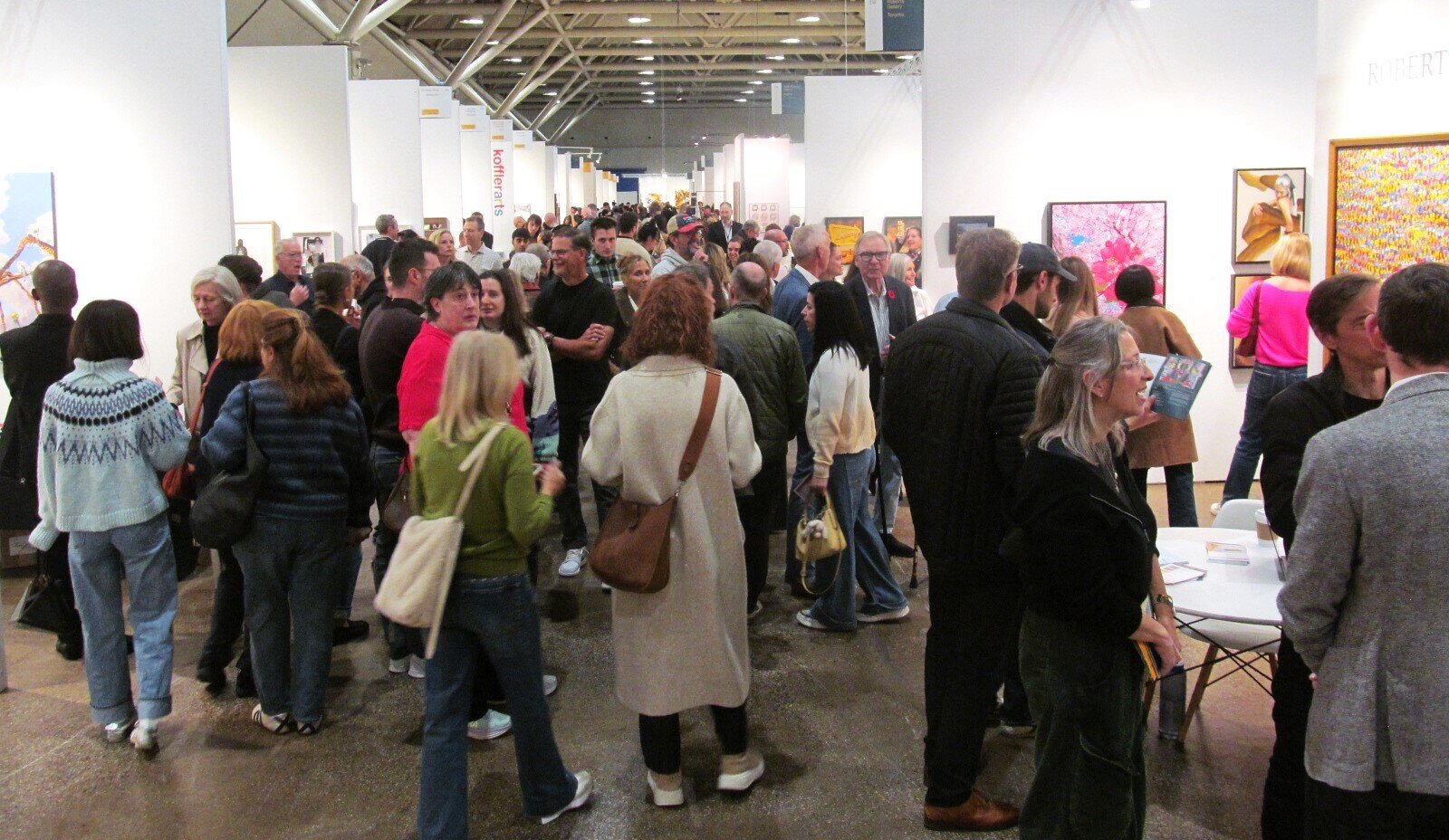
    Installation view of Art Toronto 2026

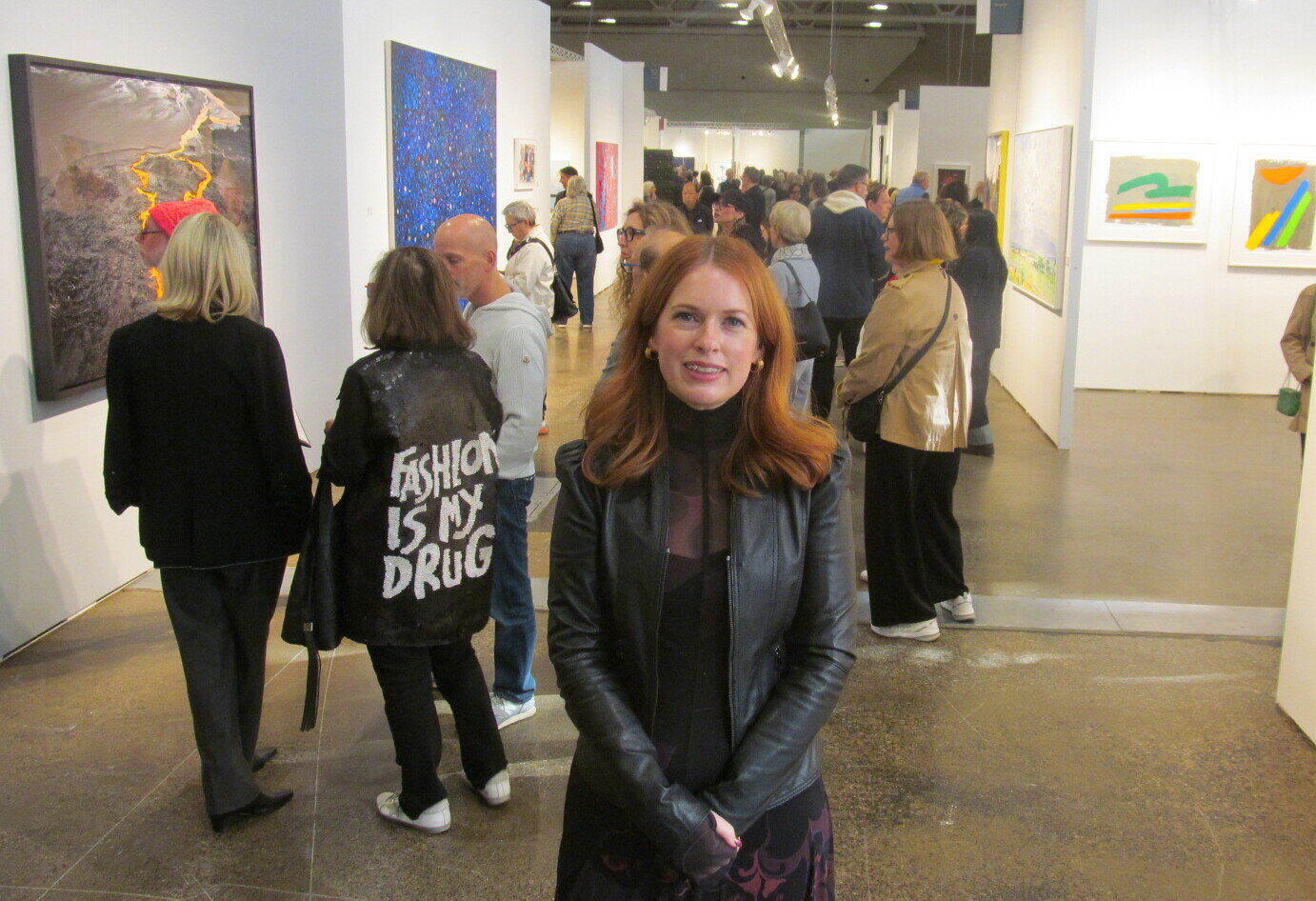
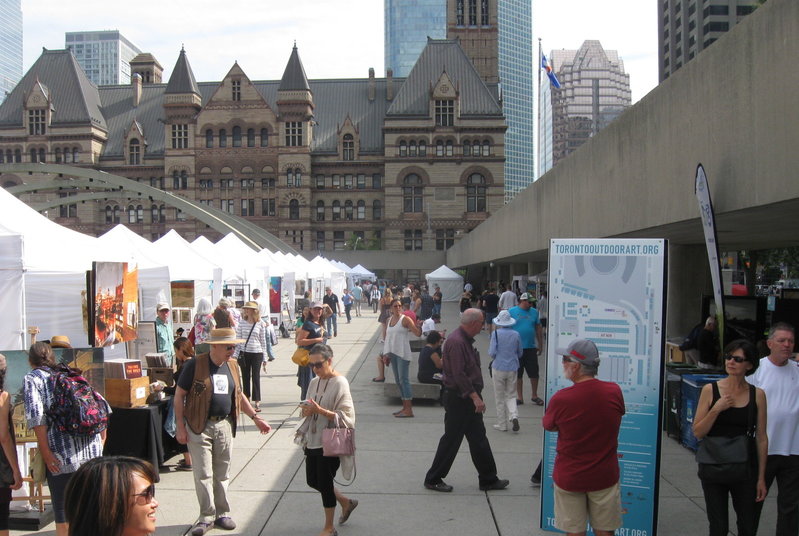
    This year’s 27th Art Toronto was a hive of activity on a busy Saturday with 100+ Galleries and a lot of art loving attendees. New Director of the Fair Emily-Jean Alexander admitted that participation in this year’s fair was down 10% but despite a faltering economy had done well. She said other Fairs south of the border had not all done as well. A new addition at this year’s Fair was a section where collectors could talk to advisors to help them seek art works that would work best for them. It is important to develop new collectors in Canada. According to many gallery directors I talked to, there were plenty of sales and the evening preview party went well. Alexander has not been shy about lending her voice on the need for government support for the arts.

    New Director of Art Toronto Emily-Jean Alexander

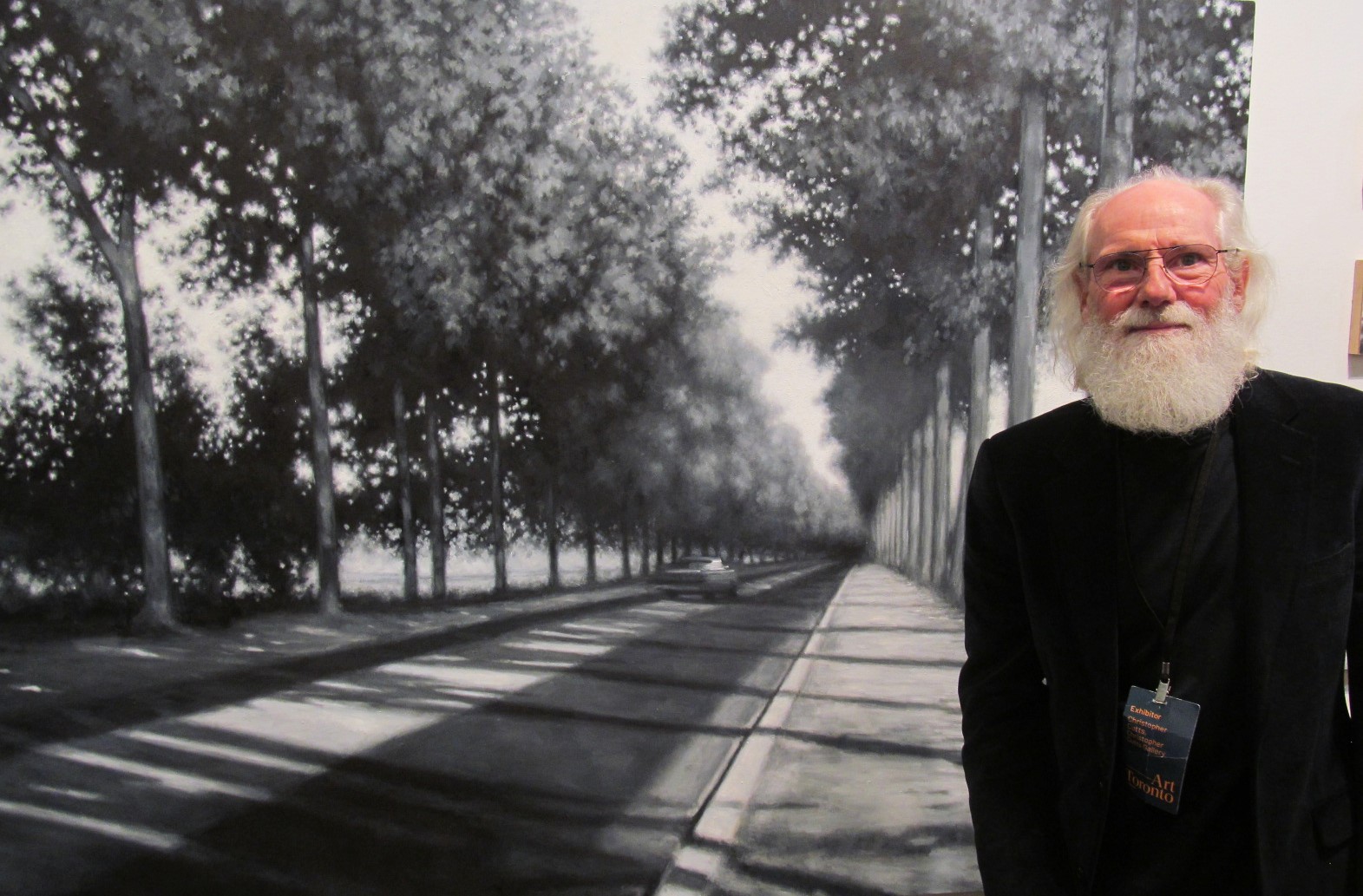
    Christopher Cutts was happy guiding clients around his booth and posed in front one of his artists John Abrams new work The Road to Paris. Abrams uses film classics as subject for his wonderful paintings. Lots of other artists represented here such as Ron Martin and Rae Johnson to name but a few. Cutts has been in the art business for 40 years and the Cutts booth had a good assortment of top artists.

    Christopher Cutts in front of John Abrams new work, The Road to Paris

    Likewise, Patel Brown Gallery had lots of great artists on display like Shellie Zhang, Swaphaa Tamhane, Shary Boyle and Kim Dorland. Talking with the directors of some larger galleries at the Fair I asked them about the effect of tariffs on them travelling to Fairs like Miami. Some are fortunate to have represented artists living in the US so they could still get sales in the US. So, it was hurting Canadian artists looking for a larger market. Some galleries still look at Fairs in Europe to help them get the necessary sales.

    Shary Boyle, Faces, 2024, stoneware glaze at Patel Brown Gallery

    Gallery owner Jane Corkin was ecstatic about this year’s fair and took time for a photo in front of one of her top selling artists Tom Campbell. He had just had two sales. Corkin has been busy for many years as well and represents a top rouser of artists. The Corkin Gallery has a forty-year history as well.

    Jane Corkin with Peter Campbell: Flowering Tree

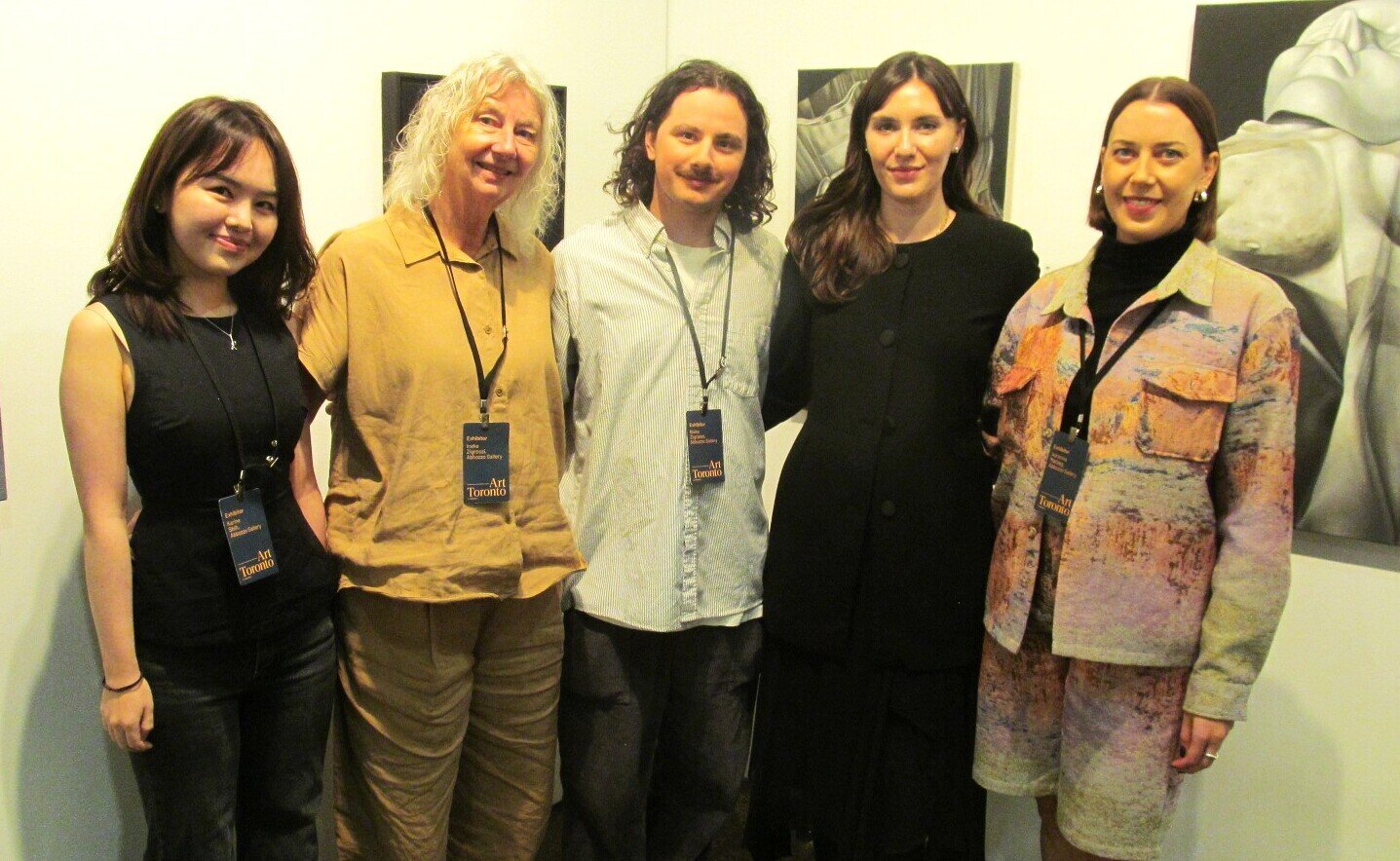
    I stopped by Abbozzo Gallery (Toronto) where I chatted with artists Adrienna Matzeg and Emily Pope who were both excited about the fair and having visitors see their work. I was then greeted by Director/Founder Ineke Zigrossi who chatted with me about the opportunities for galleries at the Fair and how important it was.

    Director, Staff and artists of ABBOZZO Gallery (Ineke Zigrossi is the second from left)

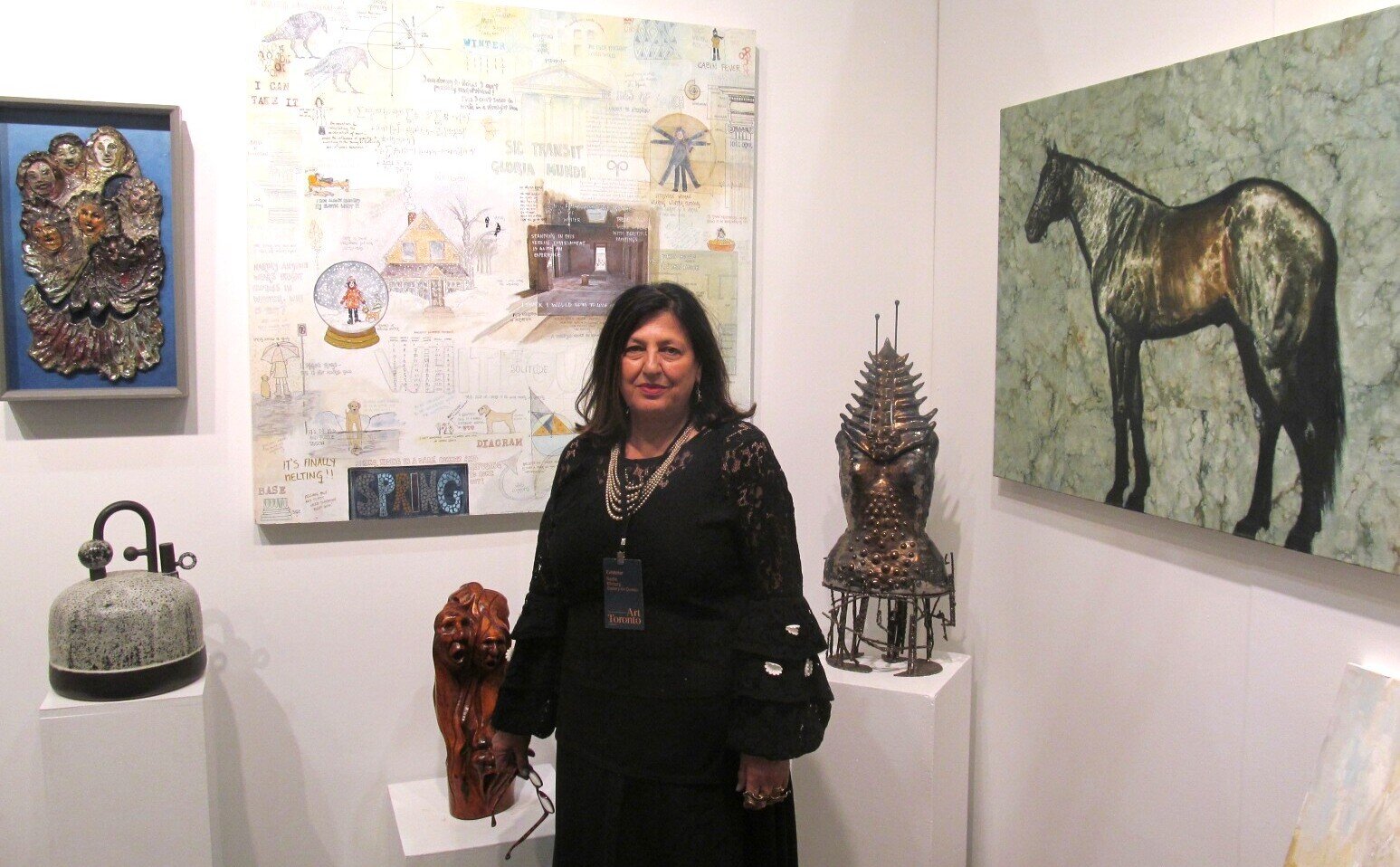
    Later I had a similar conversation with the Director of the Fredricton New Brunswick Gallery, Gallery on Queen Fine Art who had just sold a piece to the McMichael Gallery in Kleinburg for their Collection. Director Nadia Khoury was pleased about the sale and the opportunities for more visibility for the Gallery.

    Director Nadia Khoury, Gallery on Queen, Fredricton

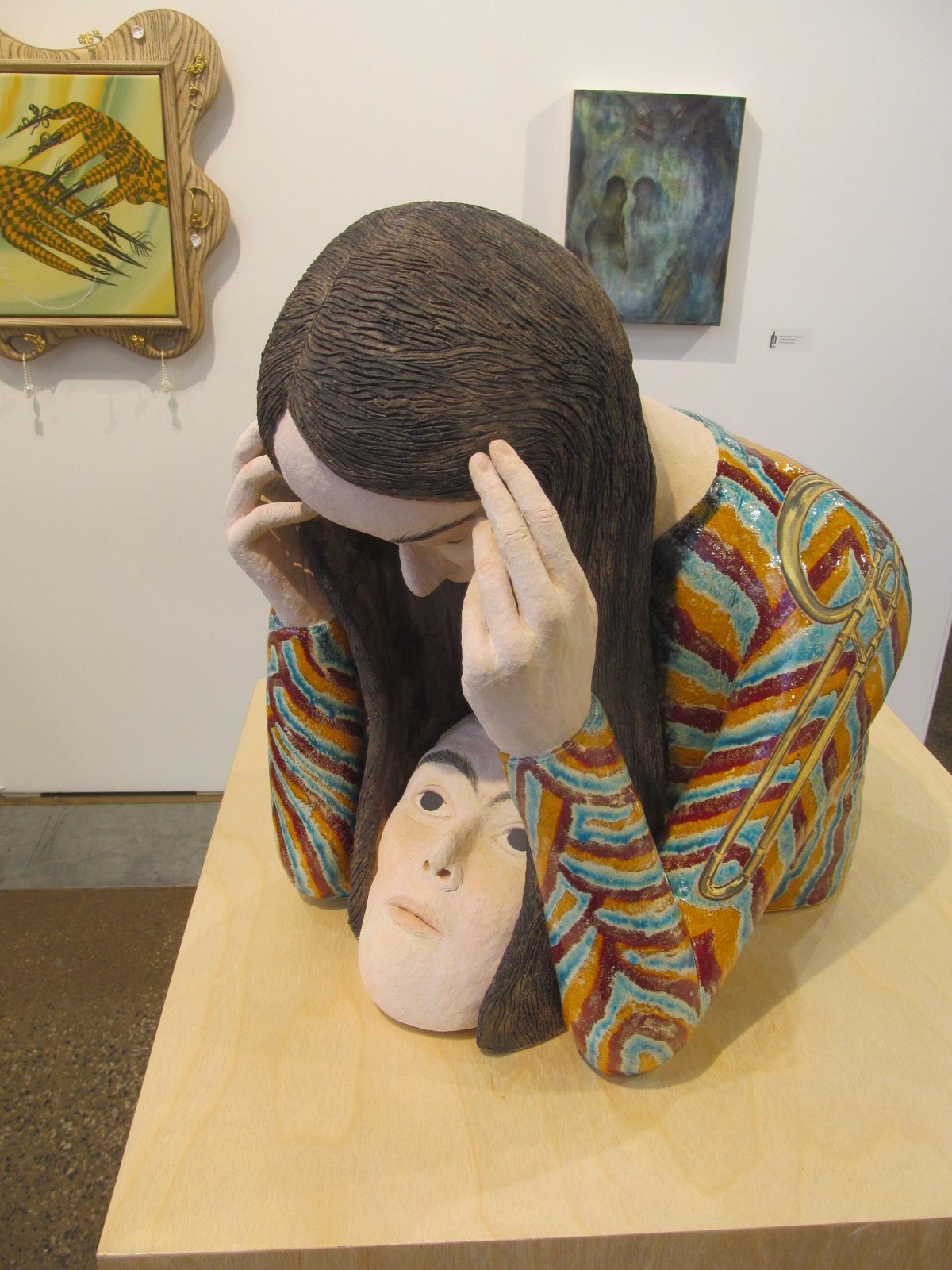
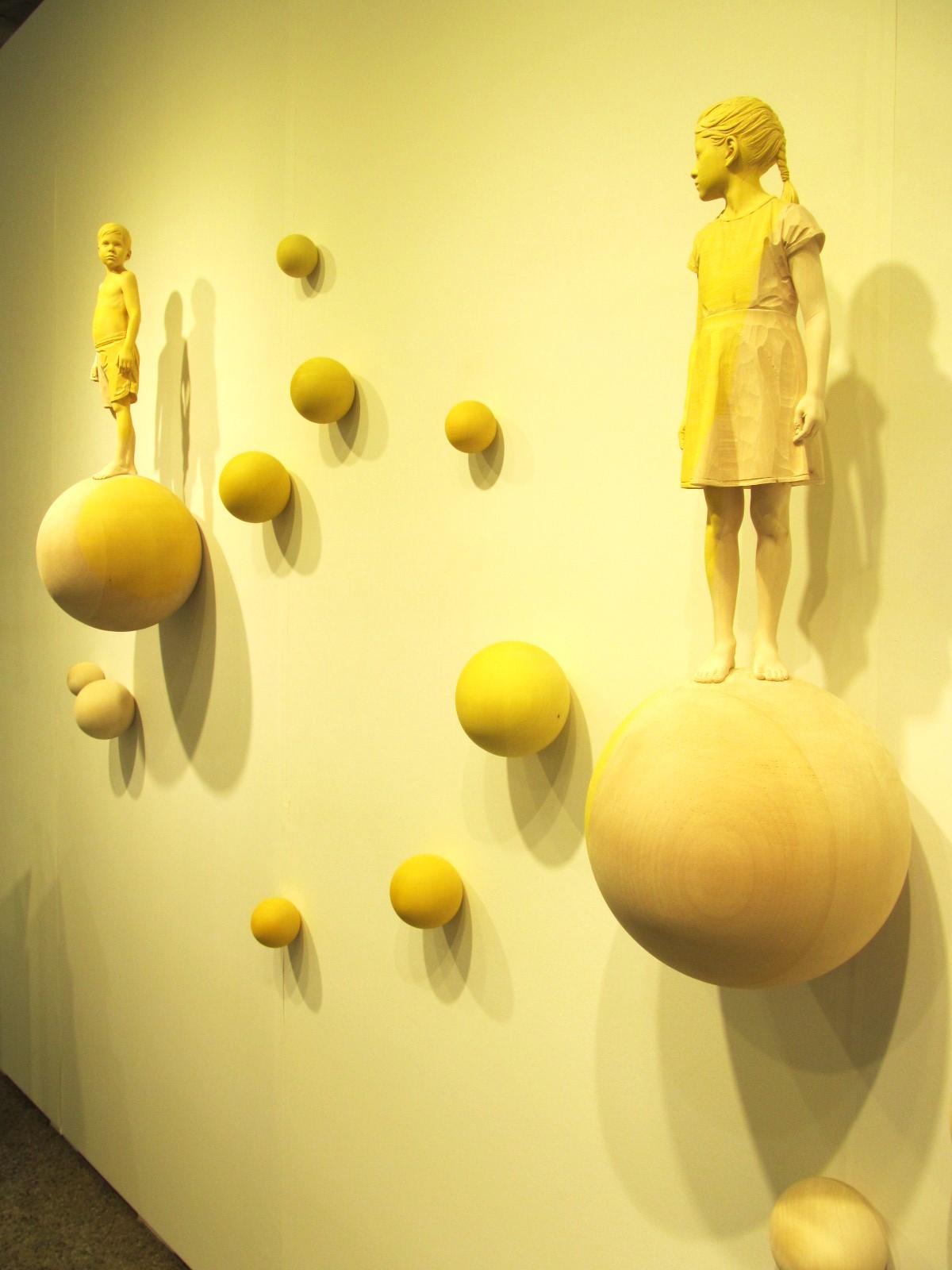
    My eye caught the work of artist Matthias Verginer, Space Siblings at Gallerie LeRoyer (Montreal and Toronto). There seemed to be lots of sculptural work throughout the Fair which worked well. Larger works like Matthias Verginer’s Intake Girl was sold for $31,800 from Galerie LeRoyer (Toronto, Montreal).

    Matthias Verginer, Space Siblings, linden wood, crayon, pencil

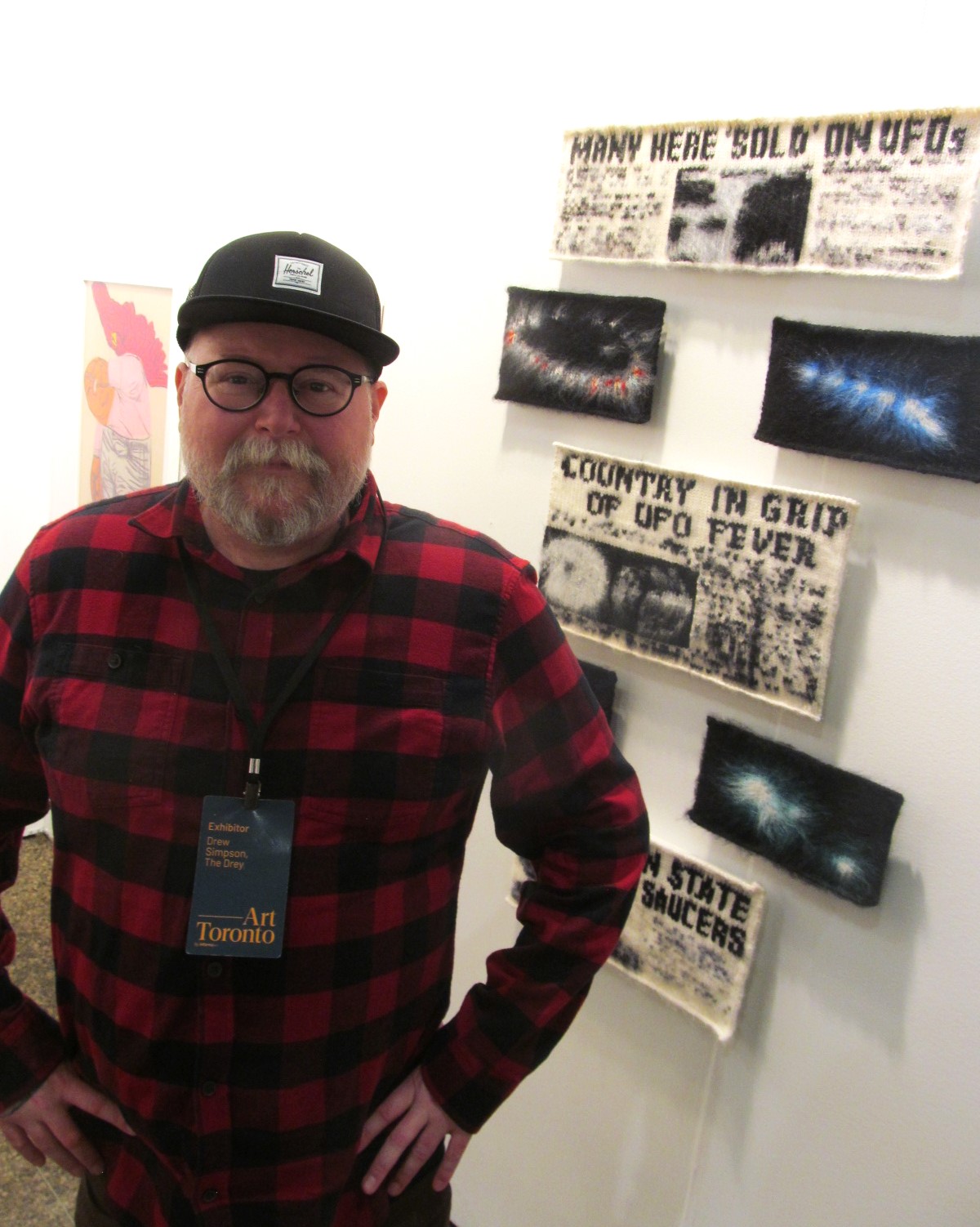
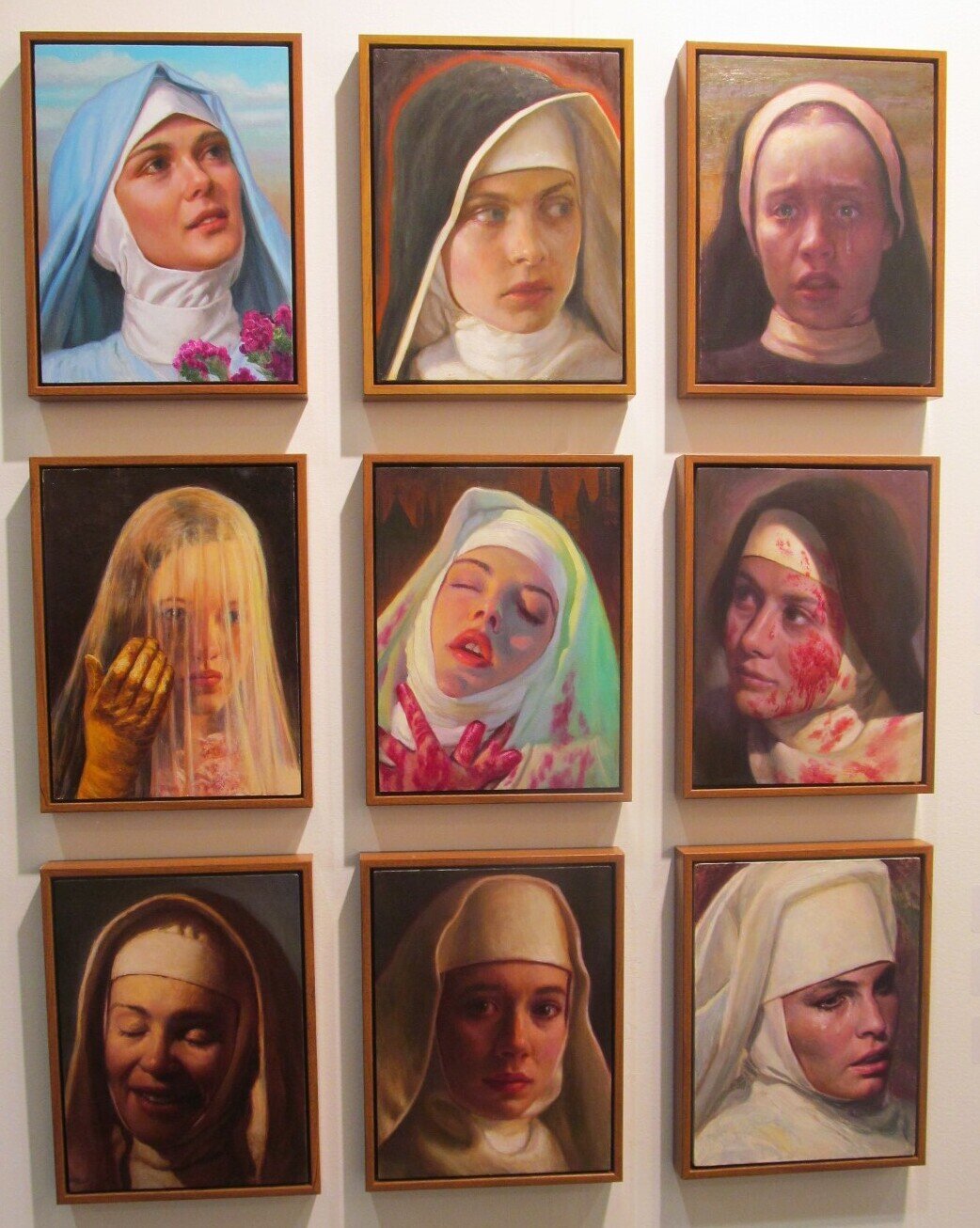
    I chatted briefly with Drew Simpson Director of the Drey Gallery in Toronto. His both was doing well with sales of John Nobrega’s Nun series oil on panel plus the textile works of Savanneh Garvin with her series of knit and stitched Mohair. Indeed, some galleries had works priced that were assessable to new collectors and art lovers.

    Drew Simpson Director of the Drey Gallery

    John Nobrega: Nun series, oil on panel

    de Montigny Contemporary in Ottawa specializes in the effects and influences of technology with art works. Indeed, with all the discussions on the effects on AI on the art world it seemed fitting to have such a gallery exploring technology and art. I chatted with Chantelle Fawcett and Bridget Phillipps of de Montigny about their participation in the Fair and they told me that the public reaction to the art was great.

    Chantelle Fawcett and Bridget Phillipps of de Montigny

    There were not a lot of international galleries at the Fair this year, but I did chat with Dr. Lesmeister of Galerie Isabelle Lesmeister of Regensburg, Germany, and she stressed the importance of them participating in the Fair. Likewise, Roya Khadjavi of Roya Khadjavi Gallery of New York had plenty of good things to say about their participation.

    Roya Khadjavi of Roya Khadjavi Gallery of New York

    Arte Sur had the participation of about a dozen galleries curated by Karen Huber and presenting artists from South and Central America as well as Mexico. There was also a daily tour of the sur galleries by Karen Huber.

    Art Toronto 2026 also had a variety of great installations spread through out the Fair which broke up some of the commercial context of the Fair. There were plenty of cafes, bistros and benches to take a much-needed rest for the feet and eyes after taking in so much colourful and wonderful thought-provoking art.

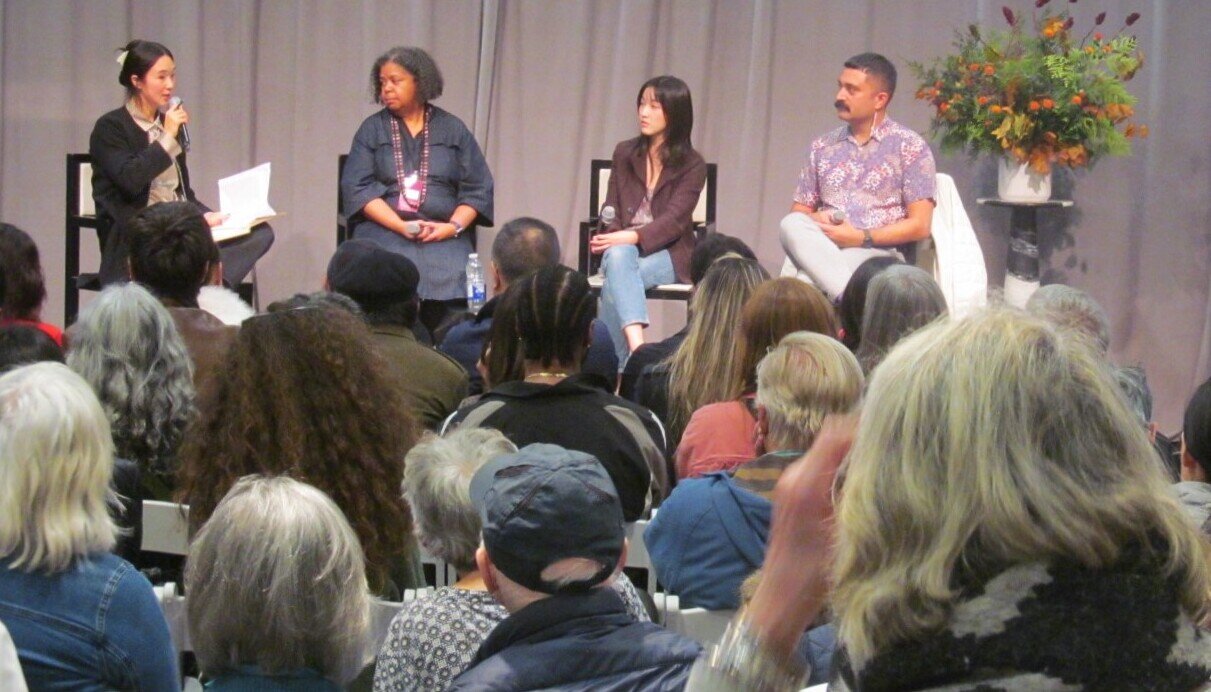
     The importance of art to community and keeping it accessible was just one of the conversations being held in one of the afternoon panel talks. Panelists all talked of the importance of staying relevant to their audience and attracting viewers to their galleries.

    Panel Talk

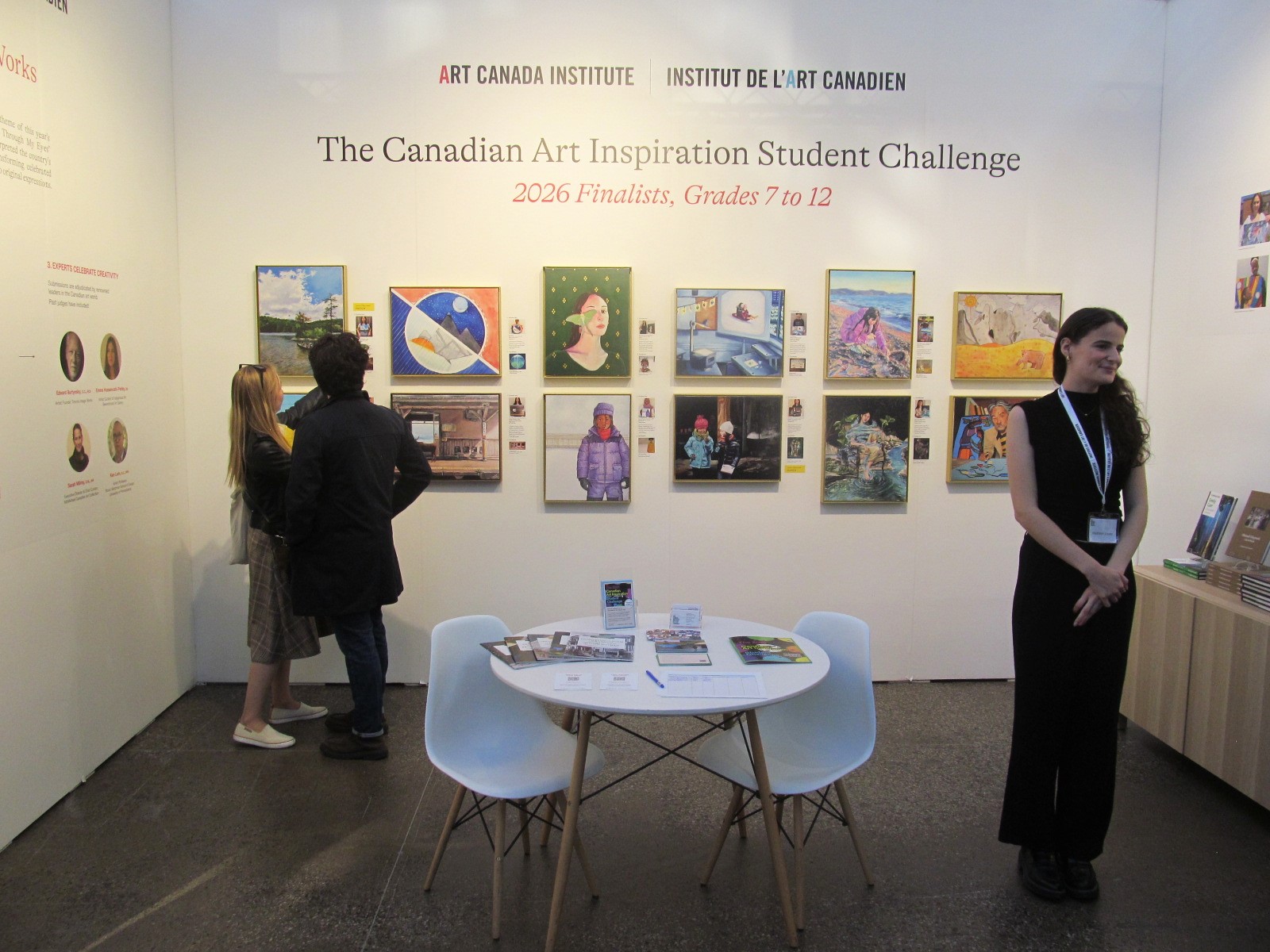
    On my way out from the Fair I stopped in a booth of the Art Canada Institute thar had a Canadian Art Inspiration Student Challenge yearly and now in its 7th year it invites students in Grades 7-12 from across the country to submit original works inspired by Canadian artists. They get cash prizes and the opportunity to get displayed at venues like the Art Toronto. Next deadline is November 18th. Seems like a great opportunity to nurture more interest in the arts.

    The booth of the Canadian Art Inspiration Student Challenge

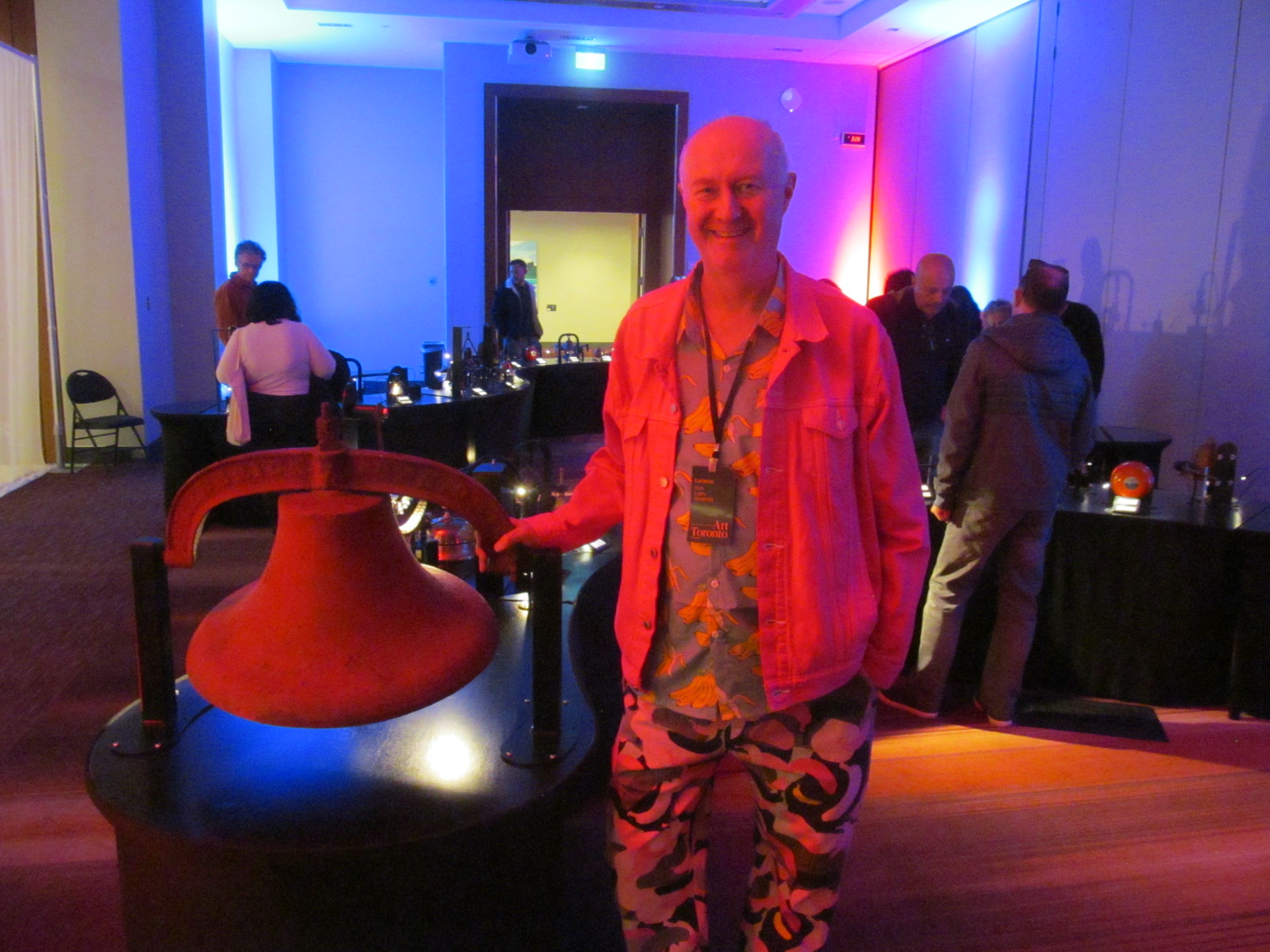
    Leaving the Fair I heard many bells. Indeed, there were many bells from around the world in this room an installation of bells, all set to ring at different intervals depending on each bell. They had different themes like the number of births in Canada in a day; a ring for each birth was set by a small computer. This incredible project which took four years was created by Rich Loen of Ottawa at his Salon Des Bananes. Loen had the help of many volunteers for this fascinating project.

    Rich Loen of Ottawa from Salon Des Bananes with his bell

    Emily-Jean Alexander and her team have managed to offer a great treat for eyes of visitors with this year’s 27th edition of Art Toronto. In a world with a shortage of hope, it brings a great break and a glimmer of wonder from all the creative spirit on display.

    Text and photo: Phil Anderson

    *Exhibition information: Art Toronto, October 29 – November 1, 2026, Metro Toronto Convention Centre, North Building, Exhibit Hall A & B, 255 Front Street West. Hours: Fri – Sat 12 – 8 pm, Sun 12 – 6 pm.

  • Lucy Raven at The Power Plant

    Lucy Raven at The Power Plant

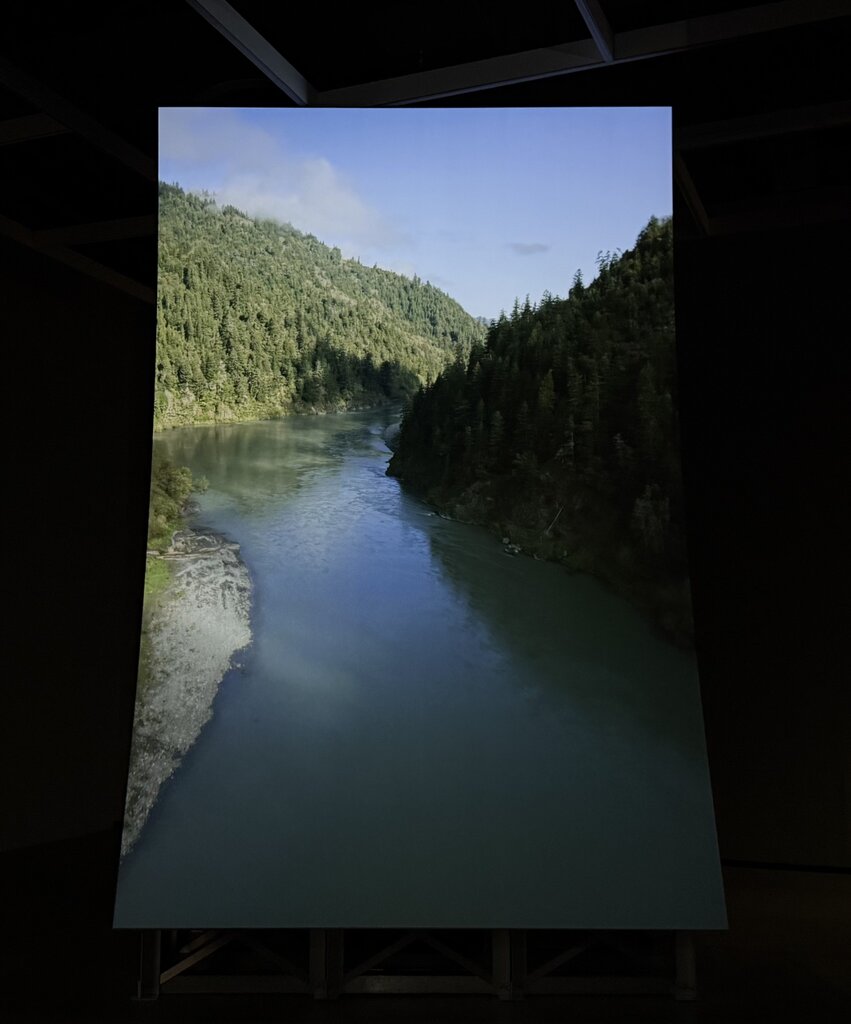
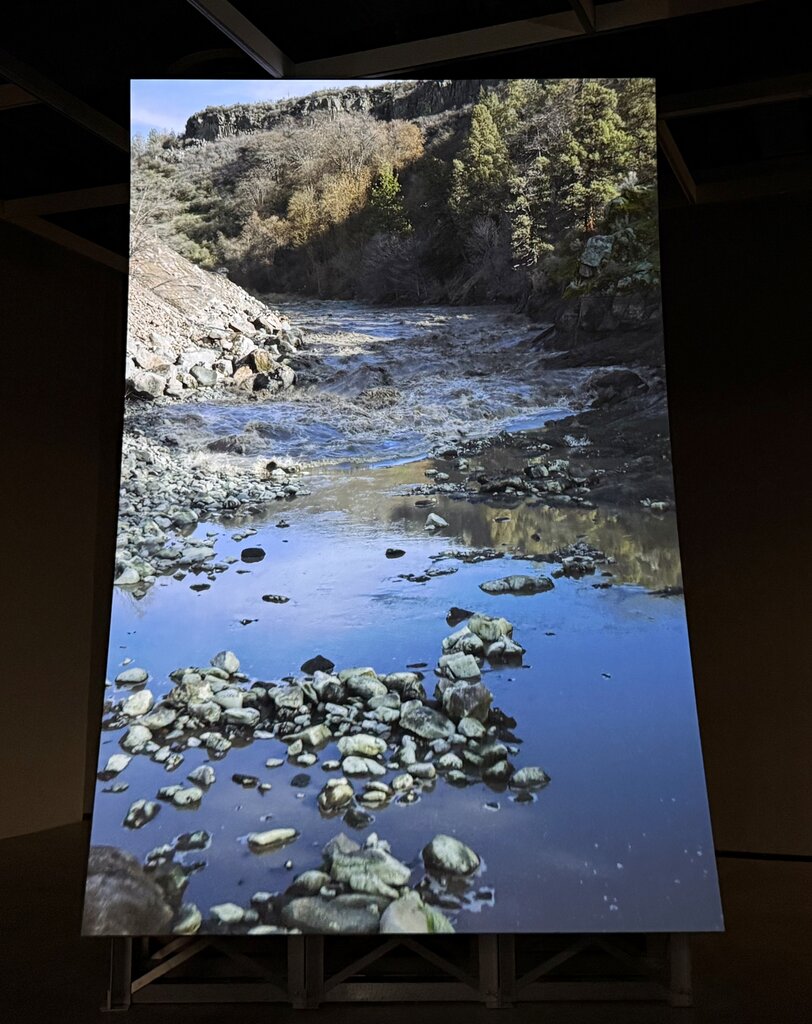
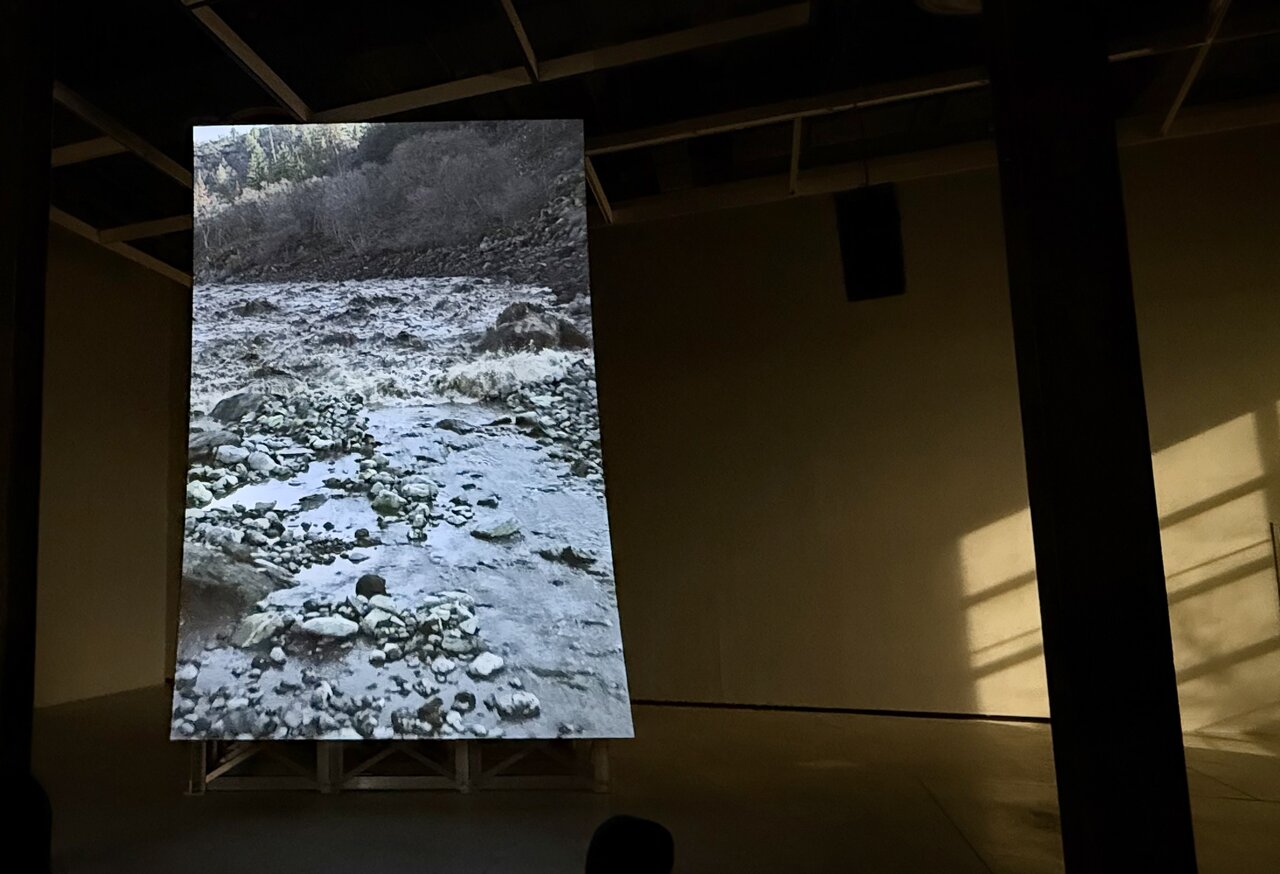
    What does water remember? We can trace its persistence breaking down boulders into rocks. We witness water forging a path, eroding the land to make its way. Despite the extent of human intervention, the land, the water, and the Earth persist. The content of Lucy Raven’s Murderers Bar is a reminder of the ever-enduring tenacity of nature.

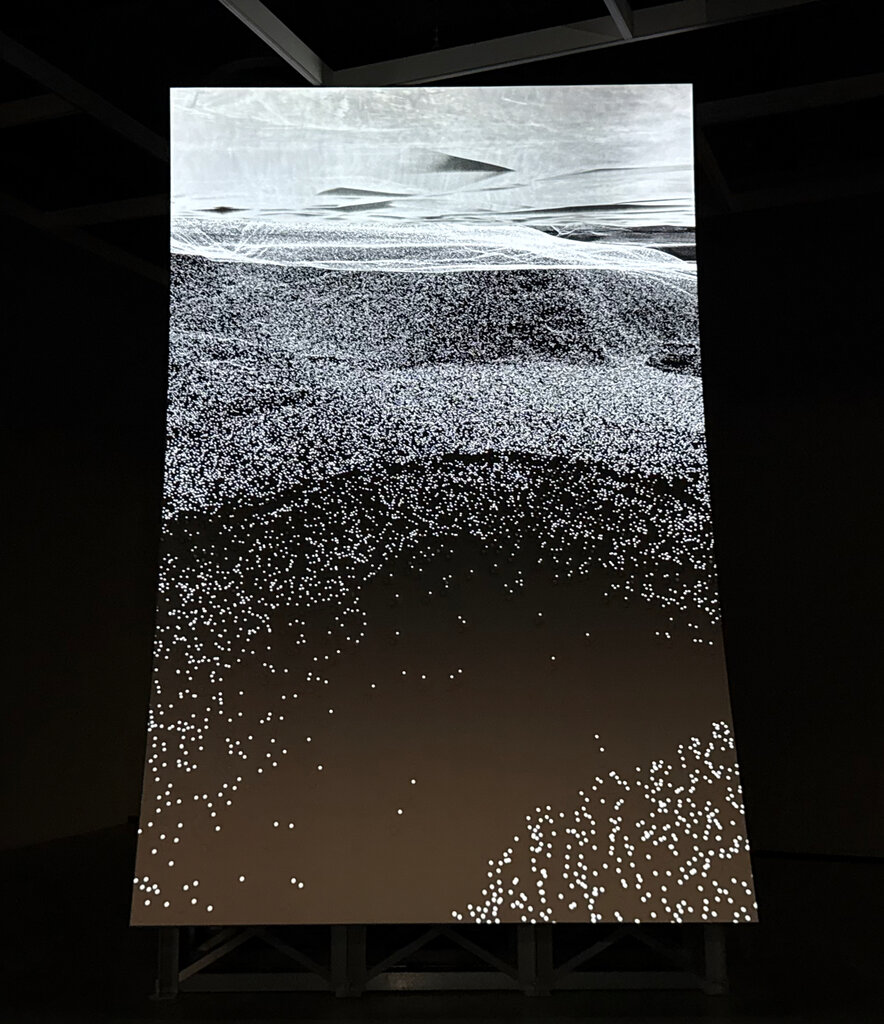
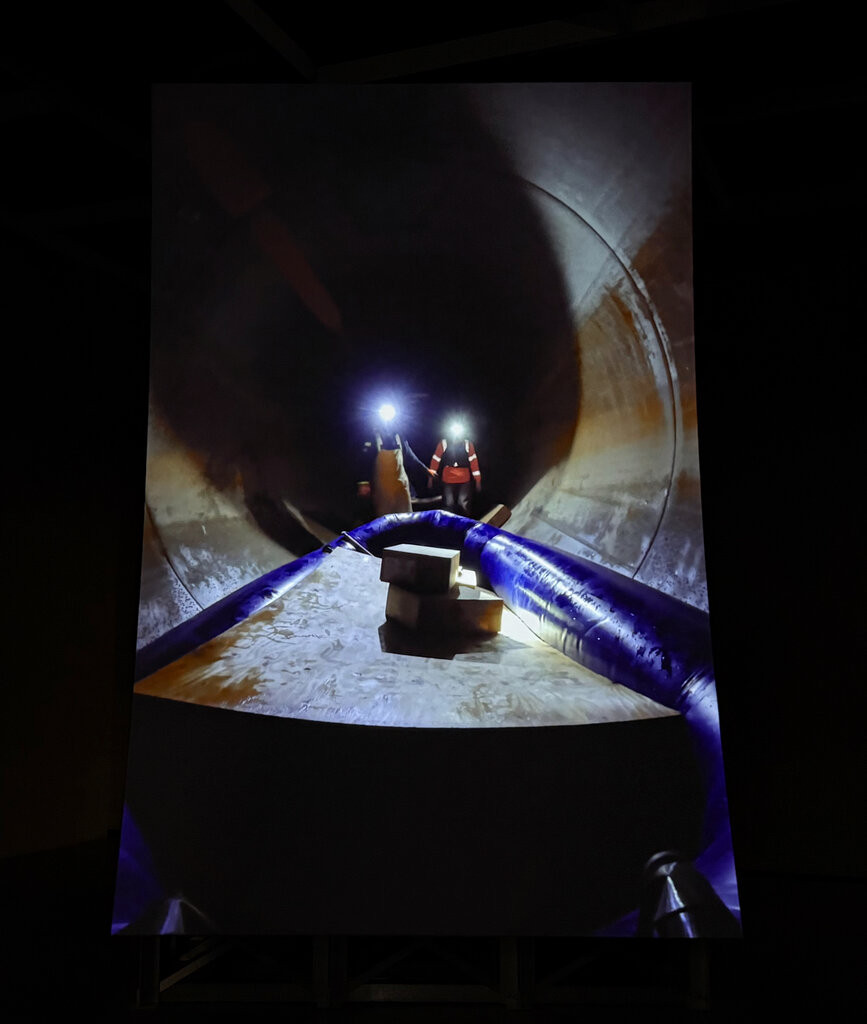
    Murderers Bar utilizes a mixture of drone footage, digital renders, and material from body-cameras in the video. The shifting types of footage present a multifaceted understanding of the land and water. The aerial perspective is akin to that of a bird, gliding and dipping with freedom. The body-camera footage is from those working directly within the environment of the site, a dam on the Klamath River in Northern California. Meanwhile, digital renderings provide an alternative presentation of land in the form of animations. In terms of the latter, the environment is reduced to renders such as topographical surveys and detached from the organic elements of the Klamath River. In turn, it presents the land as a site of extraction and industry. Incorporating these varying perspectives strengthens the work and our appreciation of the natural world with its beauty and verdant abundance. Consequently, we also experience the environment being reduced to renders, as the land and water turns grey and lifeless where it once was brimming with life.

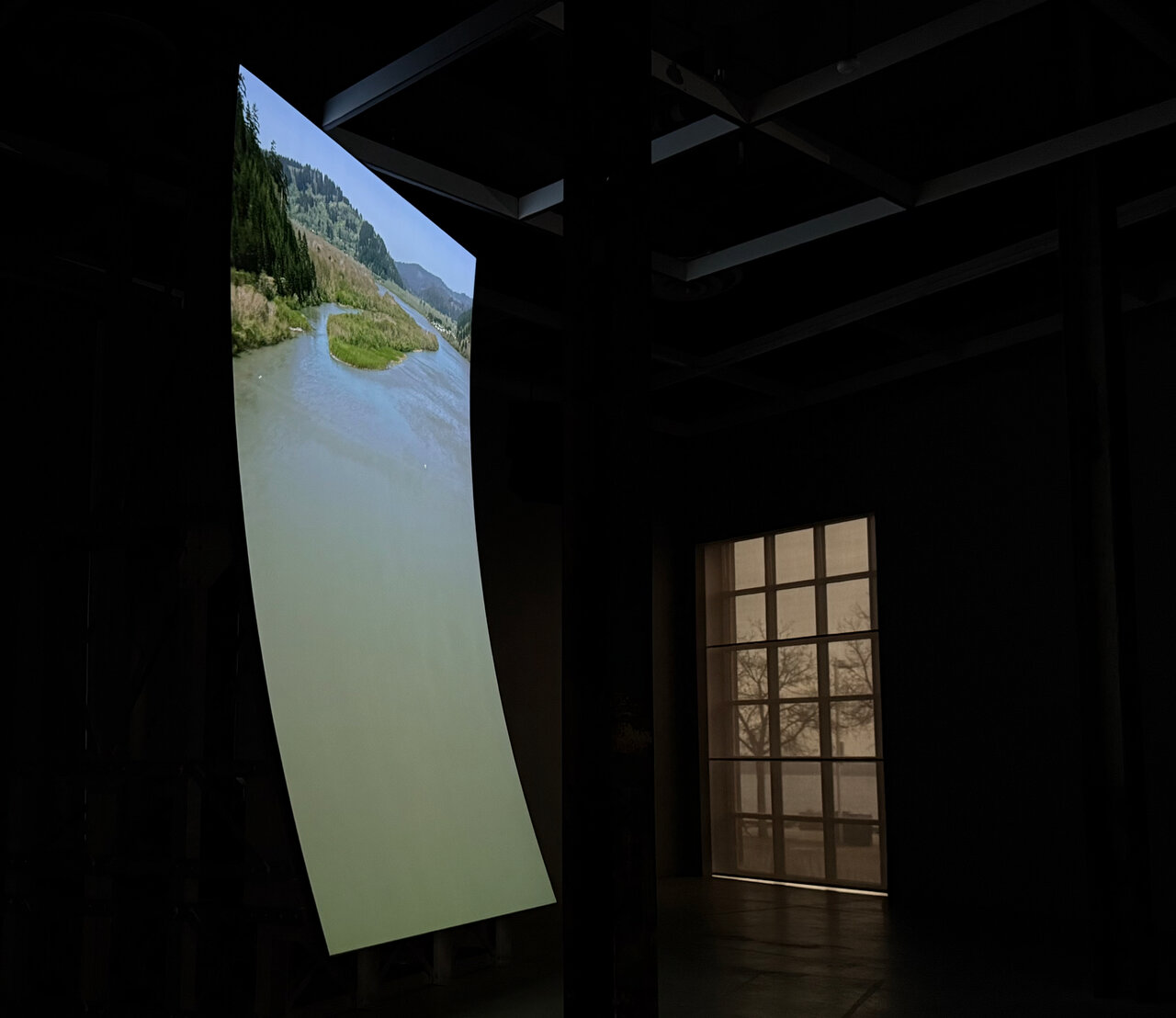
    It’s difficult to discern the exact start of Murderers Bar, a video installation (41:47min) with a sound component and a set of aluminum bleachers for seating. The video plays out on a freestanding concave structure, with speakers spread throughout the space and foam panels along the corridor entering the gallery. I considered the vista view the beginning, one in which a winding river can be seen from above. Waterfowl glide along the gusts blowing through the conifers framing the waterway. The audio component contains the calls of gulls and other natural sounds wooshing by, as if viewers are traversing in real time.

    As the footage progresses through the landscape, the water winds its way among the ridges and trees. Eventually, an overlay of a radar image appears on the screen. With this the camera submerges, crashing and battered by the sediment. The audio amplifies the anxiety and chaos of being underwater. The sound is muffled by the aquatic cushion, with intermittent clarity when the camera breaks the surface of the water. Within the periods of the camera being submerged, one can see topographical renderings of the basin making up the reservoir within the Klamath River. Though visually disrupting, it does provide a perspective that is not otherwise readily experienced by the human eye. The industrial aspect of human-environment relations is explored more deeply in the subsequent section of the video.

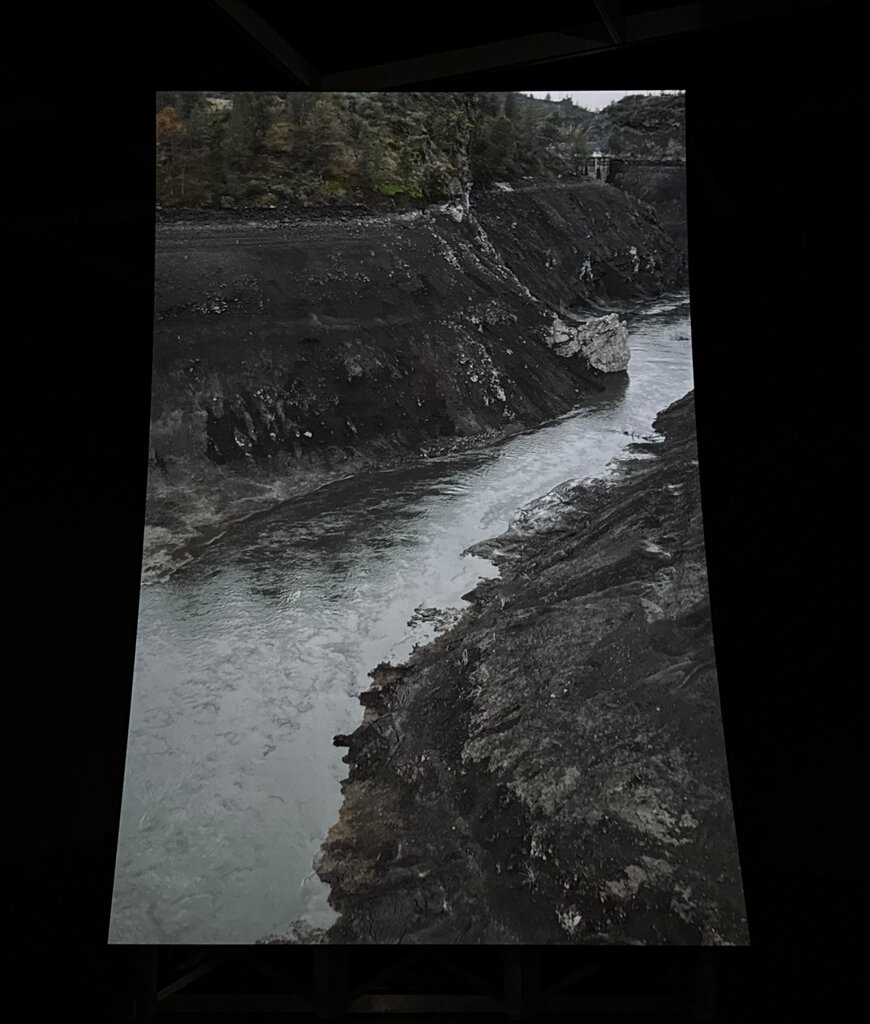
    The drone makes its way to the dam, the area appearing barren of colour and life. Where the water and land were once saturated with deep greens and warmth, now it takes on tones of slate, charcoal, stone. Viewers experience a closer look at the dam, from the body-camera footage of a worker at the service entrance. Here we witness the claustrophobic space, trudging through the water with supplies. Eventually, a cavity is reached, and dynamite is inserted in drilled pockets within the cavernous area. As the perspective shifts once more, the video records the exterior of the dam. The camera pans downward to the ground, with workers walking along the surface.

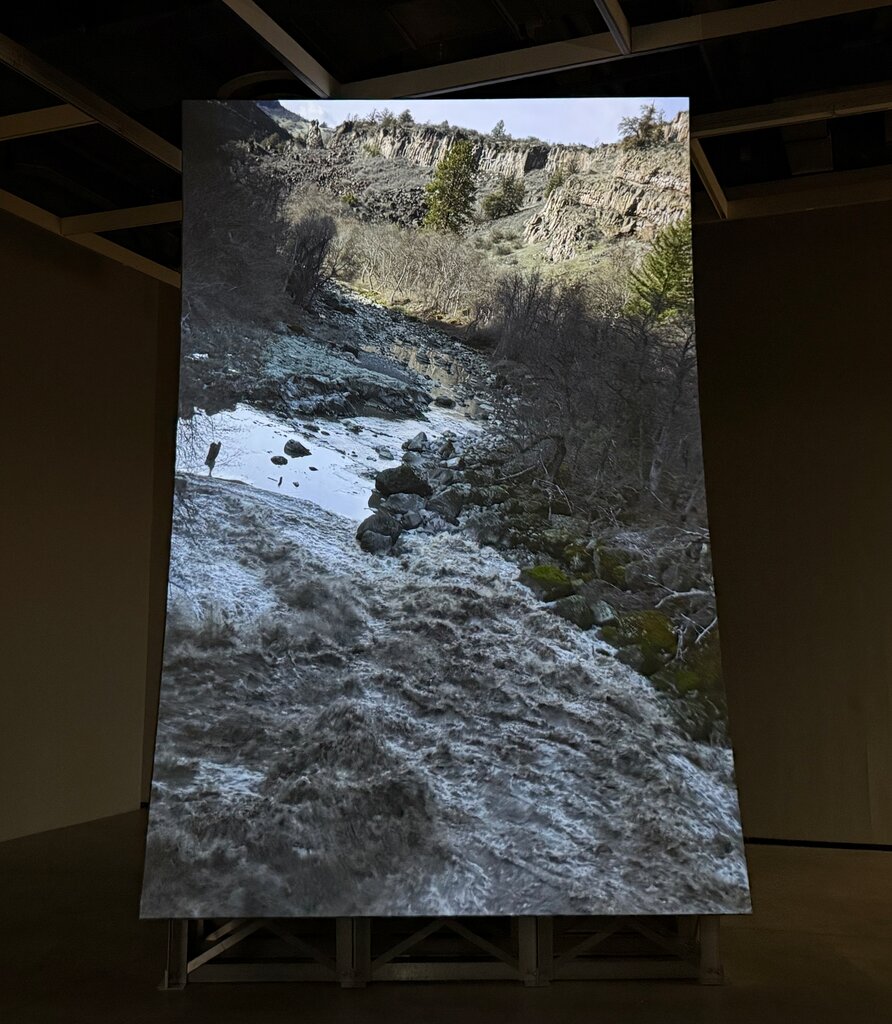
    As the footage focuses on the base of the dam, there’s an explosion. The boom of the detonation reverberates in the aluminum bleachers used as seating in the gallery, another reminder of industrial extraction. The video continues showing the water bounding forth with such power, thrashing everything in its path. The water, free from its reservoir, returns to where it had once travelled, winding once more through the land. The final act of Murderers Bar includes similar footage to that of the beginning: verdant vistas, birds riding along the wind, shimmering waters carved through the land — but with the water returned to the landscape.

    Recognizing that this work has travelled to The Power Plant in partnership with the Vancouver Art Gallery, I considered the labour of the video loop. The venturing for quality field recordings, use of a variety of technology for maximum coverage, and coordination across institutions. In addition, there is labour related to building the dam and its subsequent destruction, as well as nature’s recovery. While Murderers Bar does not showcase the protests, legislation, or an overt display of the peoples advocating for the dam’s destruction, the fruits of their labour are apparent. The site of focus, the Klamath River in Northern California, is a testimony to the stewardship of the Tribal Nations: Yurok Tribe, Karuk Tribe, Hoopa Valley Tribe, Klamath Tribes, and the Shasta Indian Nation. Due to their effort, a historic habitat can be restored. With Lucy Raven’s Murderers Bar, the collective labour can be recognized on a wider scale, invigorating communities further.

    Lucy Raven’s Murderers Bar is a compelling display of the power of water being unconquerable, and the magnitude of human impact on the environment. The grand scale of the video and the booming audio envelopes the viewers. The expansive view and full-bodied sound within the space make for an immersive experience. In this way, one can feel the awe in a bird’s-eye view of a fertile land, or the crushing anxiety of being swept away in a current, gasping for breath. The relief is shared the moment the dam breaks and the water finds its way back. While my interpretation of the video may present the idea of nature recovering despite what humanity throws its way, it does not negate the reality of harm. Like the video loop, this cycle occurs again— awe of nature, dismay at intervention, relief of the return to the natural. As a result, Raven’s Murderers Bar creates an urgency to witness the land and water with which we interact. There is also gratitude in the ready access to the natural world within the immediate vicinity of The Power Plant.

    This appreciation was felt upon walking out toward the waterfront following the exhibition— watching the gulls sweep atop the wind, or the ducks bobbing along the glistening water of Lake Ontario. Whether a moment of calm or chaos, nature is a force with which to reckon.

    Text and photo: Rashana Youtzy

    All images: Installation view of Lucy Raven, Murderers Bar at The Power Plant.

    *Exhibition information: Lucy Raven, Murderers Bar, November 7, 2025 – March 22, 2026, co-commissioned and jointly acquired by The Vega Foundation and the Vancouver Art Gallery,The Power Plant, 231 Queens Quay W. Toronto. Museum hours: Wed & Fri – Sun 11am – 6pm, Thu 11am – 4pm.

  • unheimlich / upcoming surrealist artists show

    unheimlich / upcoming surrealist artists show

    Sigmund Freud described the uncanny or unheimlich as, something that is familiar to us in some ways, but it is also strange and unknown. Our gallery exhibition is being hosted in an uncommon space (a student townhouse) and will capture some of what Freud was talking about in “The Uncanny”. The exhibition will display a diverse selection of art created in different mediums, including painting, print, and sculpture.

    The collection features these up and coming surrealist artists:

    Alex Pereira
    Else Holler
    John Campbell
    Kaylin Andersen
    Mike Webber
    Rebeca D’Alessandro
    Sarah Brittany Lowe
    Shelby Hackshaw

    Curated by Kaylin Andersen
    Assistant Curator, Sarah Brittany Lowe

    *Exhibition information: April 29 – May 6, 2016, 3061 Sir John’s Homestead, Unit 46, Mississauga. Gallery hours: Mon – Sat: 12 – 5 pm.  $2.00 Admission

  • Politics of Fashion | Fashion of Politics

    Politics of Fashion | Fashion of Politicsat the Design Exchange is an obvious treat for fashion lovers, the show also offers a great deal for art lovers too to mull over.

    Installation view.

    Guest curated by the legendary Canadian fashion generalist, Jeanne Beker, and DX curator Sara Nickleson, Politics of Fashion | Fashion of Politics examines the increasingly communicative role of fashion in a modern society where politics, art and fashion interact with fervour. The curatorial statement emphasises fashion as a vehicle for social change, a platform for ideological assertions, and the act of dressing as a means for the expression of communal values. Fashion’s evolving treatment of themes including consumerism, activism, gender, sexuality, ethics, and power are documented here in this show.

    Moschino, “McDonalds Dress, 2014”.  From the collection of Moschino.

    There is feminist art from FEMEN Quebec, Nick Knight addresses race on the runways in a short fashion film, and the English Mod and Skinhead subcultures are examined. Hybrid pieces from Rad Hourani’s gender neutral line sheds gendered clothing traditions with designs rich in geometric shapes, solid colors, and strong, clear lines. Samples from Vivienne Westwood’s post-apocalyptic collection predict fashion in a future where climate change and environmental degradation continues. Outfits feature gasmasks, bleak colours, repurposed material and scraps, army surplus, and unfinished and jagged hems.

    FEMEN, “Crown”, 2013. FEMEN Quebec. From the collection of FEMEN Quebec.

    Rad Hourani, “Looks from Collection #12”. From the collection of Rad Hourani.

    Vivienne Westwood, “Climate Revolution Cape”, 2013. . From the collection of Pearl Westwood.

    A highlight was the collection of vintage paper dresses on display. These A-line minis reek of the 1960s; they are boldly patterned or else they are vibrantly coloured in addition to being incredibly short! The dresses feature popular political figures of the era such as Pierre Trudeau and Richard Nixon.

    A product of the media-image loving post-war consumer society of 1960s America, disposable paper dress fashion embodied ideologies of consumption, mass-production, and commercialism. Scott’s “Paper Caper” dress pitch ran: “Won’t last forever…who cares? Wear it for kicks—then give it the air.” Wearers displayed overt support of specific politicians, but more importantly, alliance with popular consumerist ideologies.

    From left to right: Dress 1, 2, 3: Paper dresses created for the Republican Party National Convention. 1968. Printed and bonded cellulose fibre, Dress 4: Paper dress created for the Liberal Party Leadership Convention. 1968. Printed and bonded cellulose fibre. Collection of the Fashion History Museum.

    Like the pop-art that erupted during the same era, these paper dresses were for the masses. They are a form of pop-art in and of themselves, incorporating representational campaign images from the media and functioning as wearable advertisements. These paper dresses mark an overt merger and interaction between popular fashion, art, and politics.

    Text and photo: Emily Kovacs

    *Exhibition information: September 18, 2014 – January 25, 2015, Design Exchange, 234 Bay Street, Toronto. Gallery hours: Mon & Wed-Sun: 11 – 6 p.m., Tue: 11 – 9 p.m.

  • Geoffrey Farmer wins the 2013 Gershon Iskowitz Prize

    Geoffrey Farmer

    The Art Gallery of Ontario (AGO) and the Gershon Iskowitz Foundation are pleased to announce that Vancouver-born artist Geoffrey Farmer is the recipient of the 2013 Gershon Iskowitz Prize at the AGO. The award, which is presented annually to one artist who has made an outstanding contribution to the visual arts in Canada, includes a $50,000 cash prize and a solo exhibition at the AGO. Farmer’s exhibition will open in February 2014.

    Borrowing elements from conceptual and installation art, Farmer’s works boldly combine sculpture, video, performance, drawing, photography and found objects. Internationally recognized for his singular approach and ability to blend poetry and social commentary in large-scale works, Farmer has received praise for his recent exhibition The Surgeon and the Philosopher at London’s Barbican Art Gallery from the Guardian for its “compelling vision.”

    “Geoffrey Farmer’s works are unique because they are constructed anew each time they’re assembled,” said Kitty Scott, curator of modern and contemporary art at the AGO. “In this sense, the display at the AGO will offer visitors a chance to see the most recent workings of Geoffrey’s mind. We’re delighted to collaborate with the Gershon Iskowitz Foundation in presenting this prize to him.”
    Born in British Columbia in 1967, Farmer lives and works in Vancouver. A graduate of the Emily Carr Institute of Art And Design in Vancouver, he first exhibited at the AGO in 2000. The Gallery purchased a significant work by Farmer in 2012 entitled And Finally the Street Becomes the Main Character (Clock).

    “I’m deeply touched to receive this prize,” said Farmer. “Gershon Iskowitz has set an example through his generosity of spirit—a legacy that asks artists to support and help each other. I’m truly honoured.”

    “One of the most important aspects of the Iskowitz Prize over time has been that it is grounded in one artist’s wish to help other artists,” said Jeanette Hlinka, president of the Gershon Iskowitz Foundation. “Gershon would be very happy that this idea is still central to the Prize, and that the artists who receive it—like Geoffrey Farmer—recognize this.”

  • Frances Thomas: Recent Paintings


    September 5 – October 6, 2012
    Reception & 2nd Anniversary Party: Saturday, September 22,  2 – 4 p.m.
    TELEPHONE BOOTH GALLERY
    3148 Dundas St. W.
    Toronto, ON, M6P 2A1
    T: 647-270-7903
    E: sharlene@telephoneboothgallery.ca
    www.telephoneboothgallery.ca
    Hours: Wed and Sat 11–6, Thurs and Fri 11 – 7 p. m.
    Also featuring new works by Alison Fleming.

    Frances Thomas creates diffuse layered abstract compositions using an intuitive and improvisational application of medium to surface. Using complementary colours and a variety of mark making, the surfaces are imbued with rhythm and energy. Persistent themes in Thomas’s work include restlessness, anticipation and that which is unknown or unknowable. Her works convey a poetic distillation of thought, emotion, and sensation.

    Frances Thomas is a Canadian artist. She holds a Bachelor of Fine Arts degree from York University in Toronto. She has participated in residencies at Pouch Cove, Newfoundland and Triangle Arts in Brooklyn, New York. Her paintings were featured in a solo exhibition titled but wait, with an accompanying catalogue, at the MacLaren Art Centre, Barrie, Ontario, in 2009/10. Thomas currently lives and works in Barrie, Ontario, and is part time faculty at Georgian College, School of Art and Design. She has exhibited in Edmonton, Barrie, Toronto and New York.

    Alison Fleming‘s exquisitely rendered paintings capture urban storefronts and interiors that are familiar and iconic.

    Alison Fleming graduated from the University of British Columbia in 1998 with a literature degree and studied drawing at the Florence Academy of Art in 1999. She has exhibited consistently since 2009 and won “Best in Exhibition” at the 2011 Toronto Outdoor Art Exhibition. Her work is in numerous private collections including Wedge Curatorial Projects.