
Our Beautific Living World: Wildlife Photographer of the Year 2025 at the Royal Ontario Museum
At a time when environmental precarity shapes both public discourse and lived experience, images of the natural world circulate with renewed urgency. Depicting forest fires, melting ice, and disappearing habitats increasingly define how planetary change is understood. Within this context, photography undoubtedly operates as a form of dedicated attention, drawing viewers into encounters with the lives and environments that often remain distant from everyday perceptions.
Presented at the Royal Ontario Museum, Wildlife Photographer of the Year 2025 brings together one hundred photographs selected from a global competition organized by the Natural History Museum of London. The exhibition gathers images that reflect the breadth and complexity of life across the earth’s precious ecosystems. Now in its sixty-first year, the competition remains among the most longstanding platforms dedicated to wildlife photography, shaping how nature is seen and understood across generations.
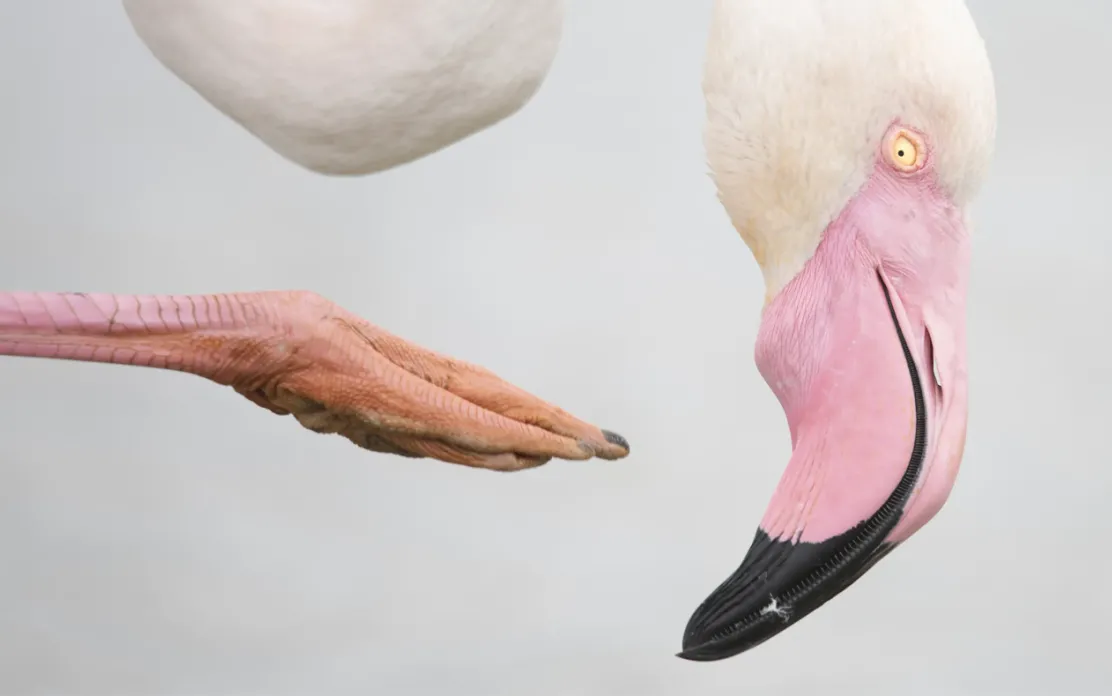
Pink Pose by Leana Kuster, Switzerland, Animal Portraits
The exhibition unfolds as a sequence of encounters with the living world, each photograph presenting a carefully framed moment shaped through patience and the technical precision of a sustained engagement with various places. Tens of thousands of submissions are received annually from photographers at varying stages of their practice. From this expansive field, a selection emerges through a process of anonymous evaluation by an international jury. The resulting images reflect a wide range of approaches, from intimate portraits of individual animals to expansive views of landscapes shaped by climatic forces.
Presented as back-lit displays, the photographs attain a striking clarity that heightens the act of perception. Textures of fur, feathers, scales, and water surfaces come forward with remarkable definition, inevitably drawing our eye into their intricacies. This mode of display shapes the gallery into a space oriented towards our attentiveness. Visitors move deliberately from one image to the next, each frame articulating its own sense of time and place that connects us with the natural world.
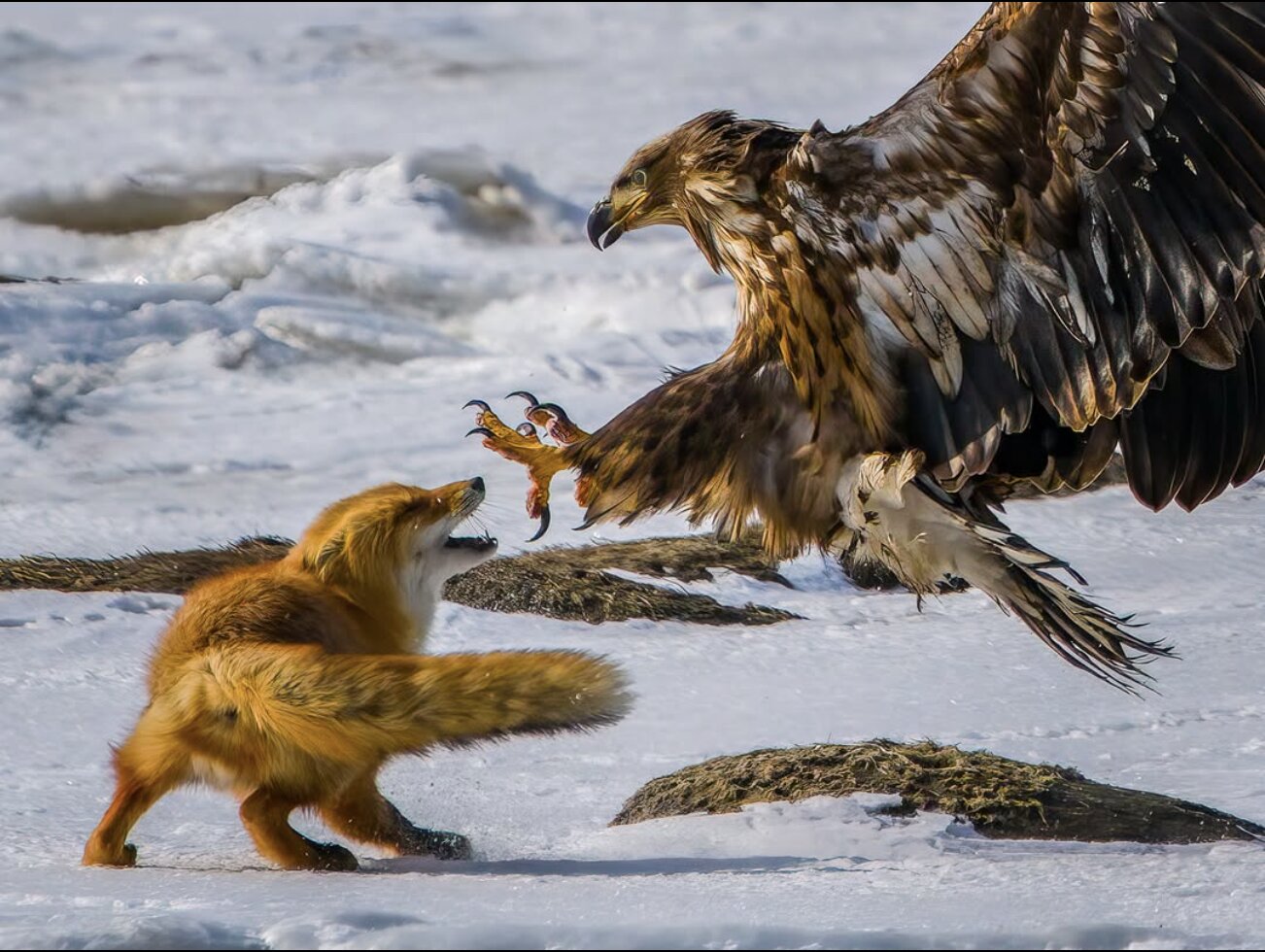
First Place ROMwpyON – Adult Category, Red Fox Close Encounter with White-tailed Sea Eagle by Philip Wong, Animals in their Environment
Several thematic categories structure the exhibition, including Animal Portraits, Animals in their Environment, Urban Wildlife, Underwater, and Natural Artistry. A dedicated photojournalism section introduces a documentary dimension that addresses the intersections between human activity and ecological systems. Across these categories, the images trace relationships that extend beyond individual species— predation, migration, adaptation, and coexistence appear as ongoing and lively processes within dynamic environments.
In the Urban Wildlife category, animals appear within built landscapes shaped by human infrastructure. A fox navigating a quiet street at night or a bird nesting among industrial materials suggests the ways nonhuman life adapts within altered habitats. These scenes focus us to the forms of coexistence that unfold within cities where the boundaries between human and animal territories remain porous and unresolved. The images prompt an awareness of shared habitation, bringing into view the continued presence of wildlife within environments frequently understood as exclusively human.
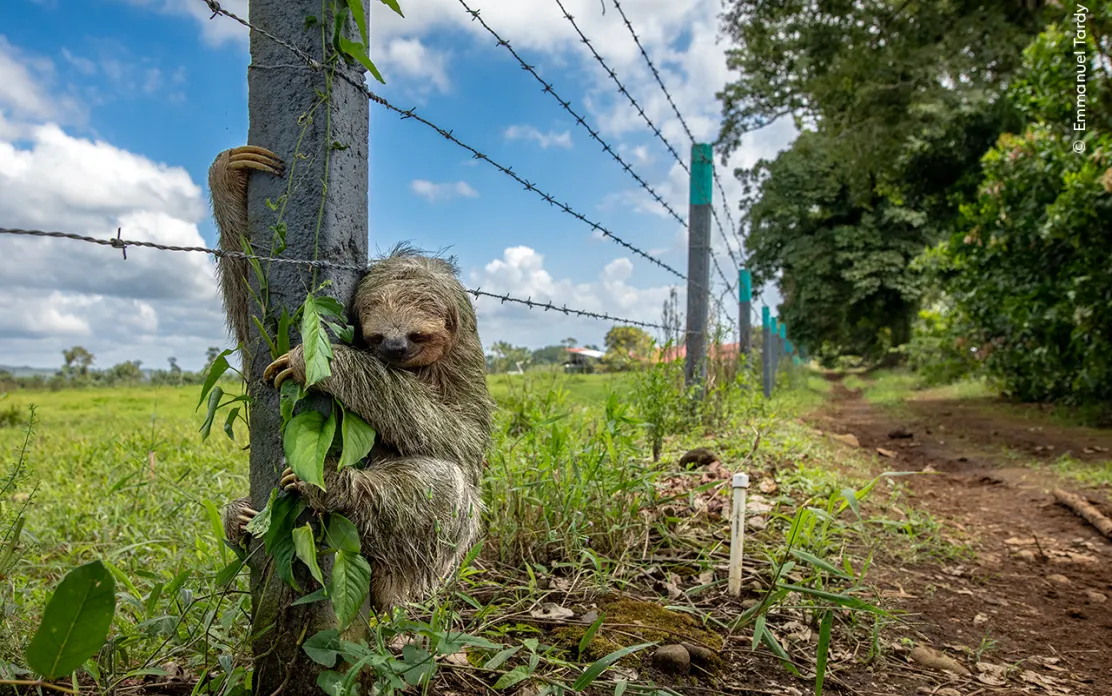
No Place Like Home by photographer Emmanuel Tardy, France, Urban Wildlife
Underwater photographs introduce another register of perception. Light filters through ocean depths, illuminating organisms that exist beyond the reach of ordinary vision. Coral formations, schools of fish, and solitary marine creatures appear suspended within shifting currents. These images offer access to ecosystems that remain largely unseen, while also drawing us to their vulnerability, as the context of rising ocean temperatures and pollution shapes the conditions under which these environments continue to exist.
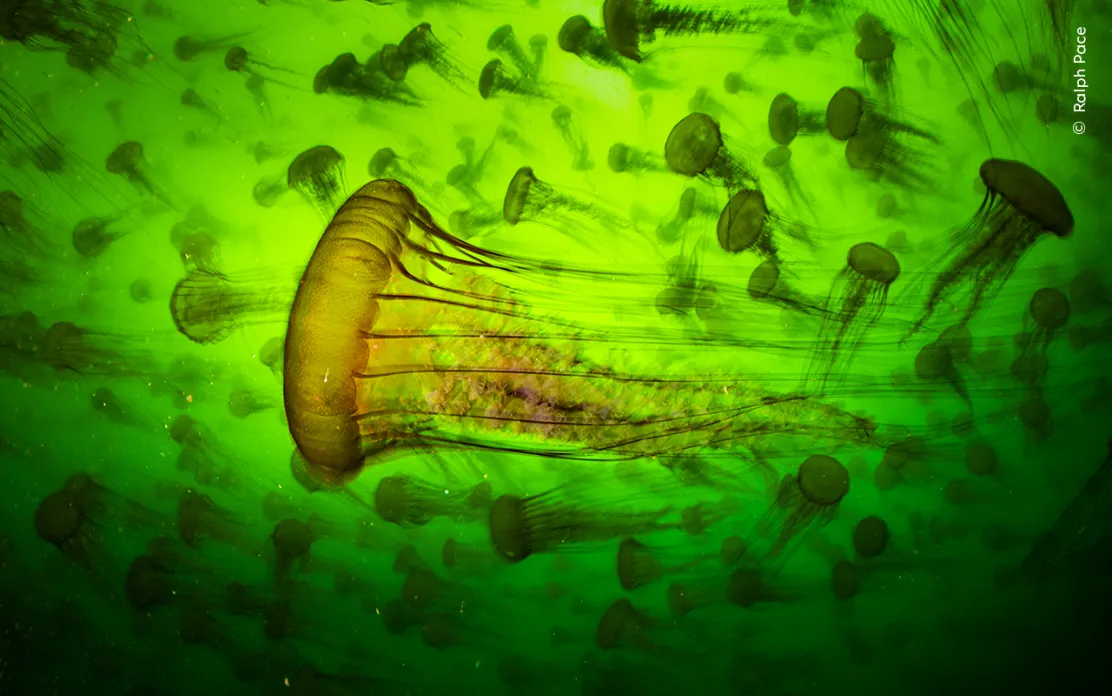
Jelly Smack Summer by Ralph Pace, Underwater
The exhibition also includes photographs produced by young participants across three age categories, their inclusion situating the practice of wildlife photography within an intergenerational framework. Emerging photographers contribute perspectives that reflect both curiosity and consideration of detail, their images standing alongside those of established practitioners, forming a collective body of work that expands across experience levels and geographic locations.
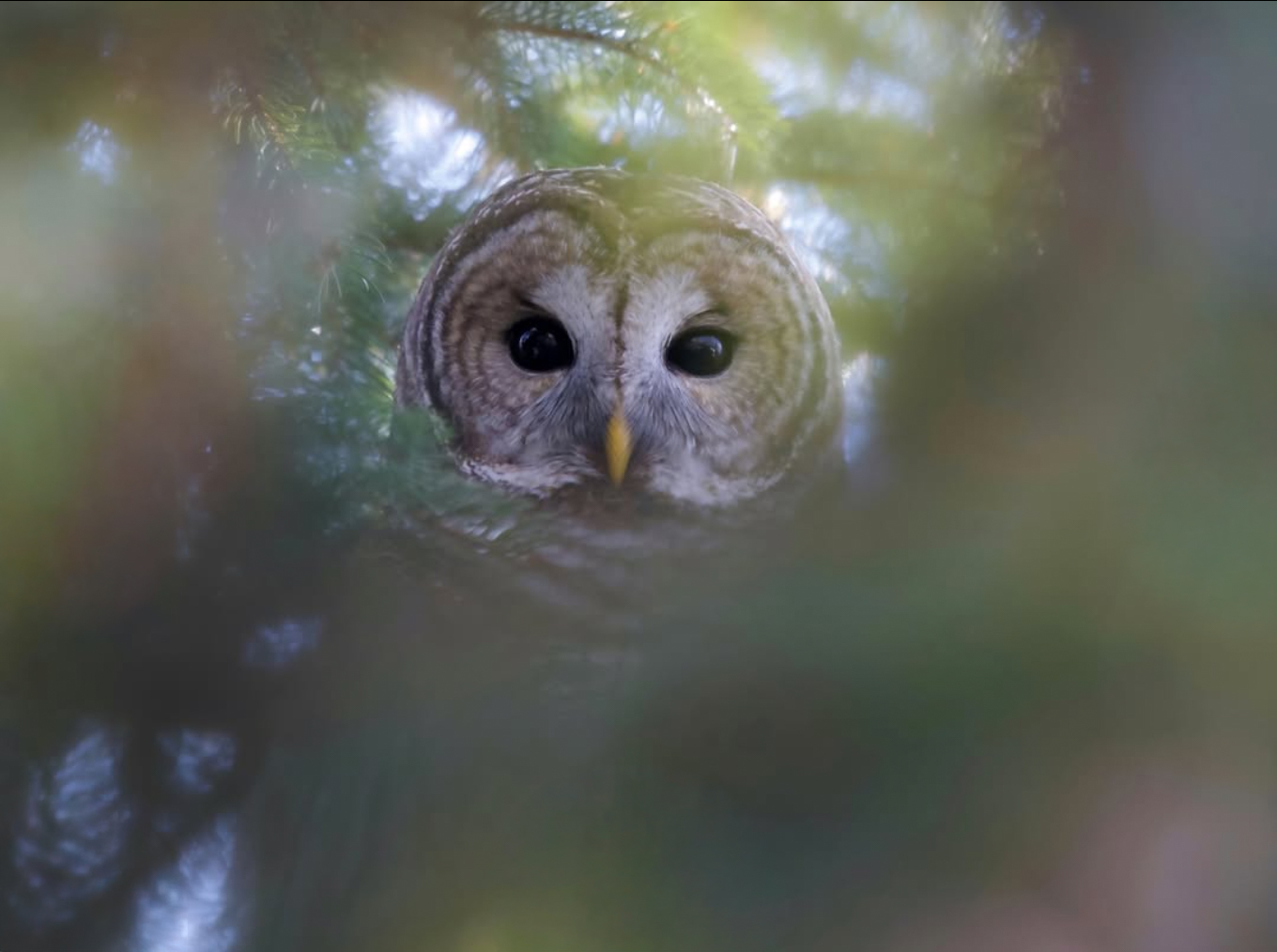
First Place ROMwpyJR – Youth Category, The Hidden Guardian by Martin Krajc, age 14
Ethical considerations also underpin the selection process. The competition emphasizes a truthful representation of nature, encouraging practices that respect the vitality of both animals and their habitats. Photographs are evaluated not only for their aesthetic qualities but also the conditions under which they are produced, positioning photography as a form of responsibility, where the act of image-making remains connected to the well-being of the subjects depicted.
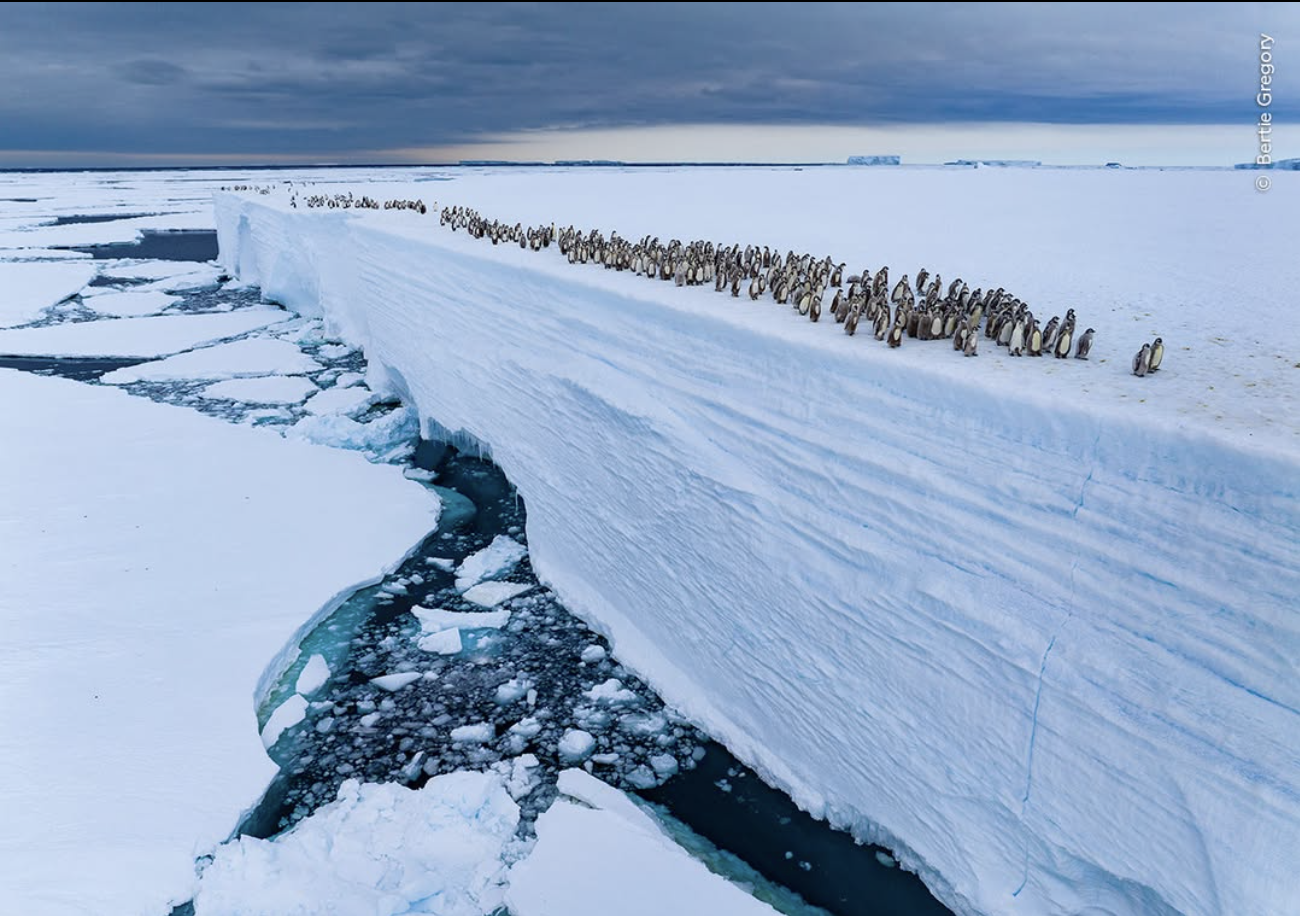
Ice Edge Journey by Bertie Gregory, Animals in their Environment
As the exhibition travels internationally, its presentation in Toronto marks its first North American stop of the year. Within the museum’s galleries, the photographs gather as a constellation of perspectives on the natural world, each image opening onto broader questions surrounding ecological change, biodiversity, and the conditions that shape survival across species. The cumulative force of the exhibition develops through repetition and variation, as a single image may hold a fleeting encounter or moment of stillness, yet together the photographs extend into a continuous meditation on life across environments. Patterns gradually come into view through this accumulation, where fragility and resilience register as interdependent conditions, each threaded through the shifting dynamics of changing ecosystems.
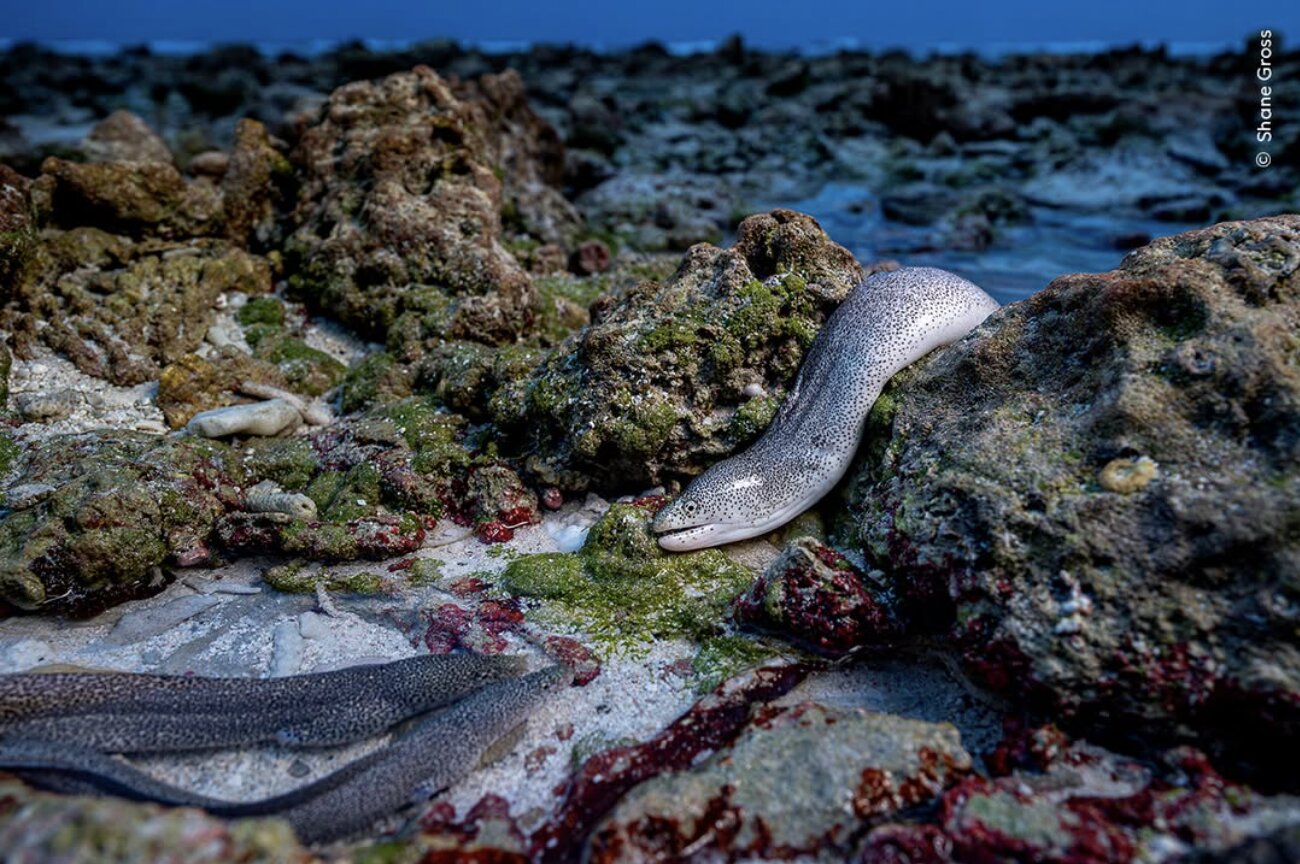
Like an Eel out of Water by Shane Gross, Canada, winner Animals in their Environment
In moving through the exhibition, viewers become an audience to scenes that might otherwise remain delicately unseen. The camera manages to mediate these encounters, translating distant or inaccessible environments into images that circulate within the gallery space and broader context of our cultural world. This act of witnessing carries with it an ethical dimension, prompting reflection on the relationships that connect human observers to the subjects they encounter here.
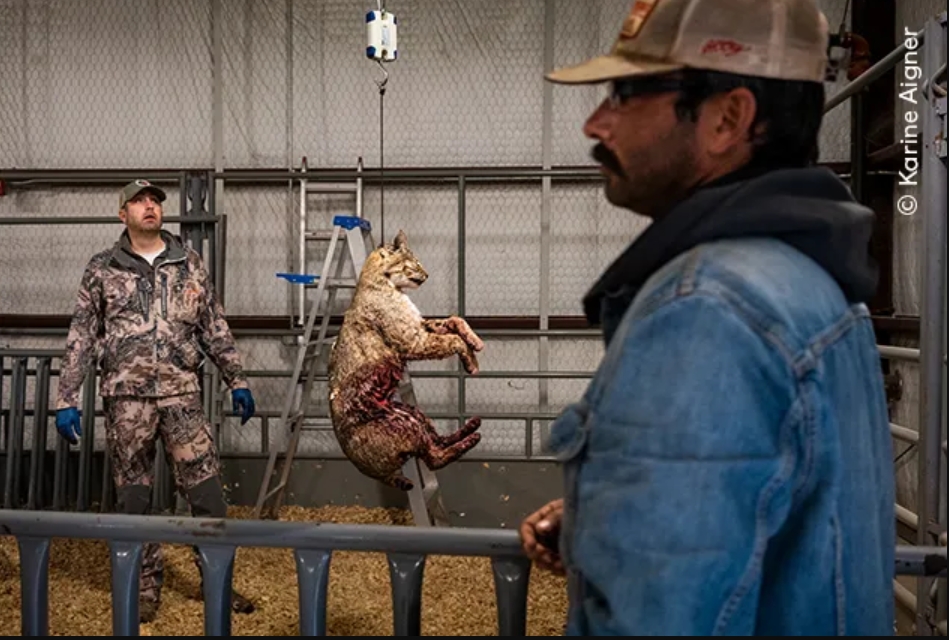
Dead Weight (documenting an annual hunting competition in Texas) by Karine Aigner, USA, Photojournalist Story Award
Wildlife Photographer of the Year 2025 offers an incredibly meaningful engagement with the diversity of life on Earth through the lens of photographic practice. The exhibition brings into focus the intricate relationships that define ecosystems while inviting consideration of the forces that place them at risk for harm. Through these carefully curated images, the living world appears in vivid detail as each photograph contributes to what it means to exist in a world where the dialectic of the wild is regarded as precious and necessary to keep alive.
Yehyun Lee
Images are courtesy of the Royal Ontario Museum.
*Exhibition information: Wildlife Photographer of the Year 2025, November 8, 2025 – March 29, 2026, Royal Ontario Museum, 100 Queen’s Park, Toronto. Museum hours: Tue – Sun 10 am – 5:30 pm.