
Selections from the Photographic Archive of Kosen Ohtsubo
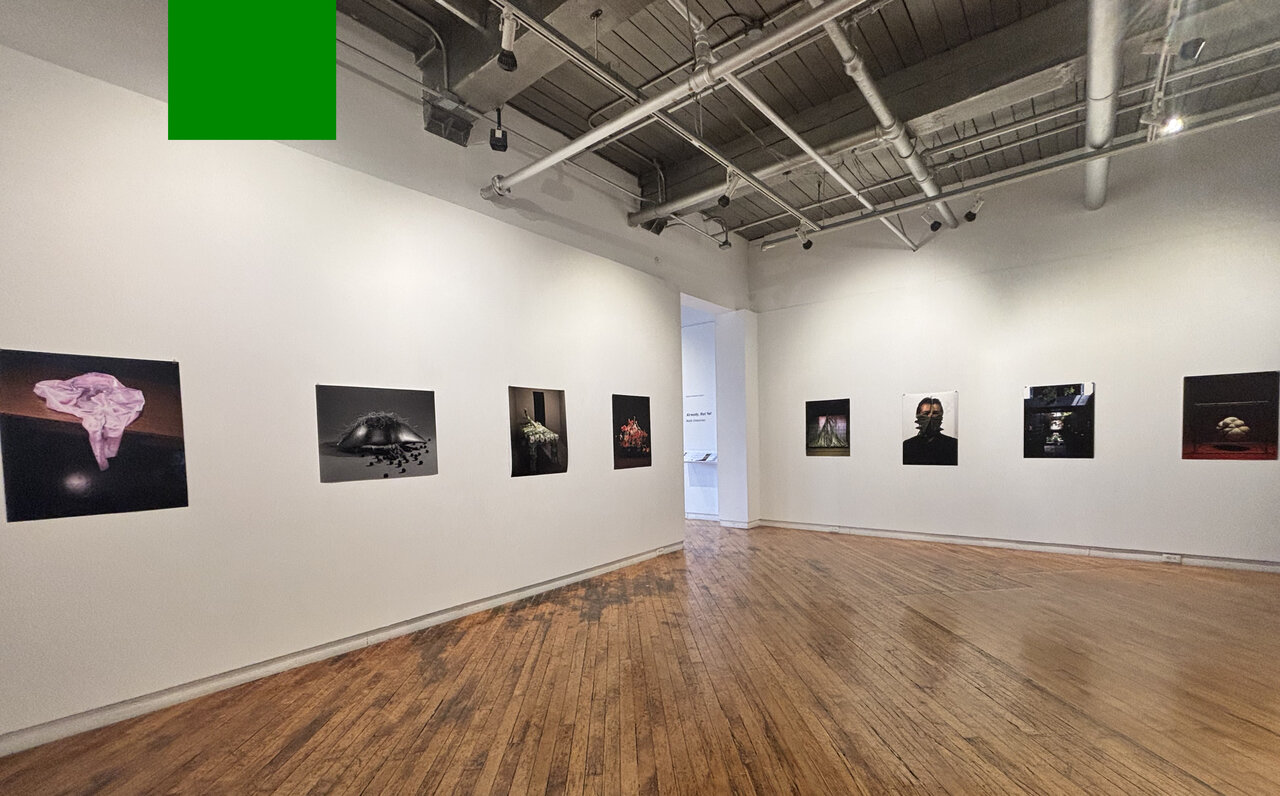
Installation view Selections from the Photographic Archive of Kosen Ohtsubo at Gallery 44
Christian Kōun Alborz Oldham’s curation of Kosen Ohtsubo’s avant-garde ikebana invites introspection into one’s relationship with “natural” surroundings. Nature, as both the curator and the artist illustrate in this Gallery 44 exhibition, is present in our everyday lives through vegetables, plants, and material goods, since, after all, they also come from natural resources. Ohtsubo’s take on the traditional Japanese art of flower arrangements (ikebana) incorporates this holistic stance on “nature” in our lives by instructing us to see art in nature, beckoning back to the first argument concerning the dichotomy of art. In arguing his belief, Ohtsubo “repurposes” nature back into art, that is, into something beautiful, inquisitive and emotionally-provoking, through his radical arrangements. By doing so, he encourages viewers to see a direct connection between nature and art, suggesting they are – and have always been – one and the same. Works like Ill-Mannered Pampas Grass (1984), Fatsia Bandit (1997/1998), and Chinese Cabbage Crazy Night (1992) evoke such reactions and understanding from the audience.
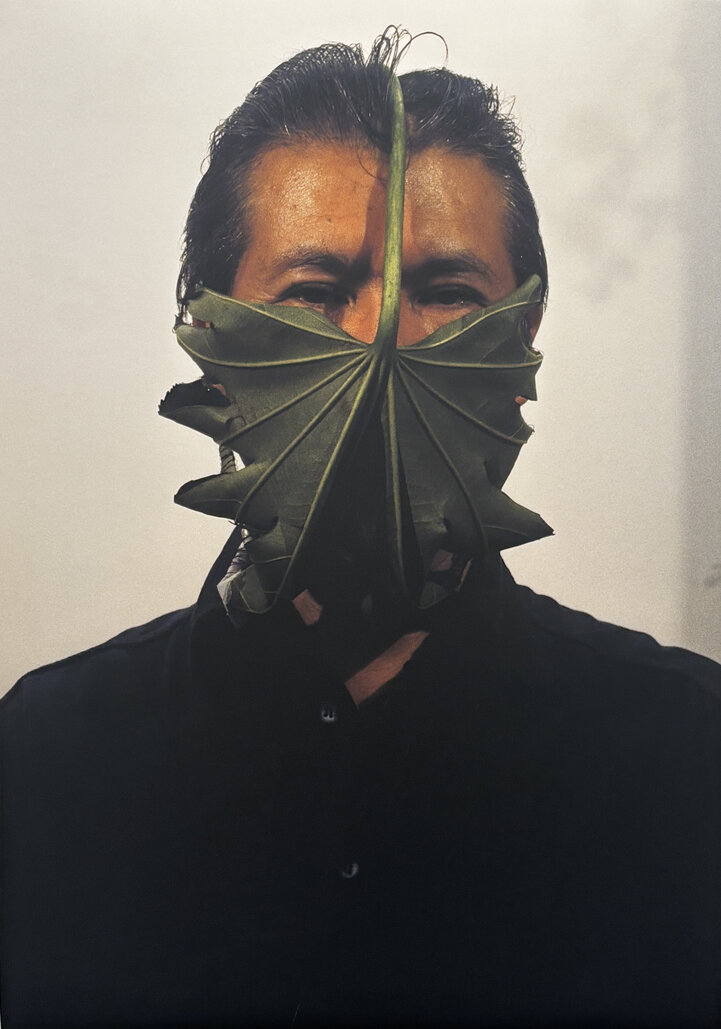
Kosen Ohtsubo, Fatsia Bandit, December 1997, the artist, fatsia. First published in the January issue of Nihon Jhosei Shimbun, 1998, and photographed by the Ryusei Photo Department.
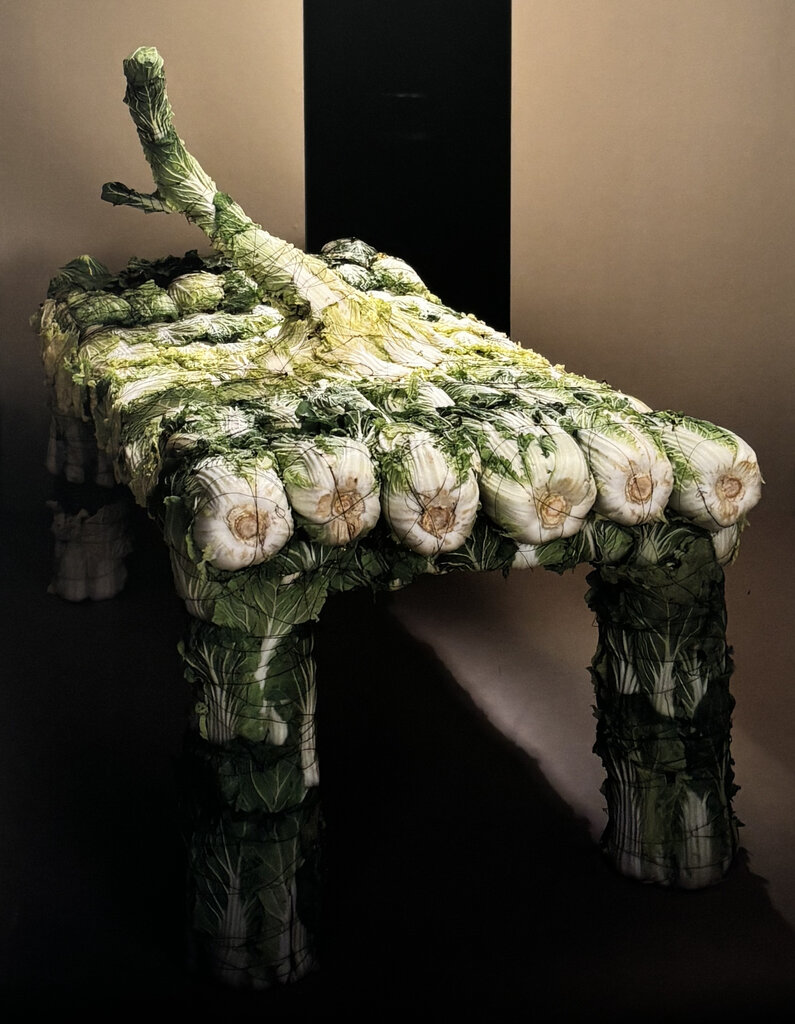
Kosen Ohtsubo, Chinese Cabbage Table Crazy Night, October 1992, Chinese cabbage, wooden table. Exhibited at the Ikebana Ryusei Exhibition: Another Flower, Matsuzakaya, Ueno, Tokyo. First published in the December issue of Ikebana Ryusei Magazine, 1992, and photographed by the Ryusei Photo Department.
The connection between ikebana and the organic material present in our everyday lives is reinforced by the tenet of embracing impermanence and imperfection, an idea that the art encourages artists to accept when creating asymmetrical works (wabi−sabi). This approach aims to foster a contemplative relationship with nature by emphasizing harmony, simplicity, and the search for beauty with a divergence from the ideal. This idea was expanded upon through a short film about Ohtsubo’s career, which can be viewed in Gallery 44’s screening area.
Oldham’s selection of Rubbish of the Ikebana Exhibition (c. 1984) is a candid example of this philosophy. The plastic decor, ferns, cartons, logs, and bags of soil are all representative of that nature which allows us to sustain and present what we objectively perceive as nature in our day-to-day. Moreover, this arrangement conveys the theme of sustainability in art, aligning with the values of accessibility and an eco-friendly culture that are part of modern society.
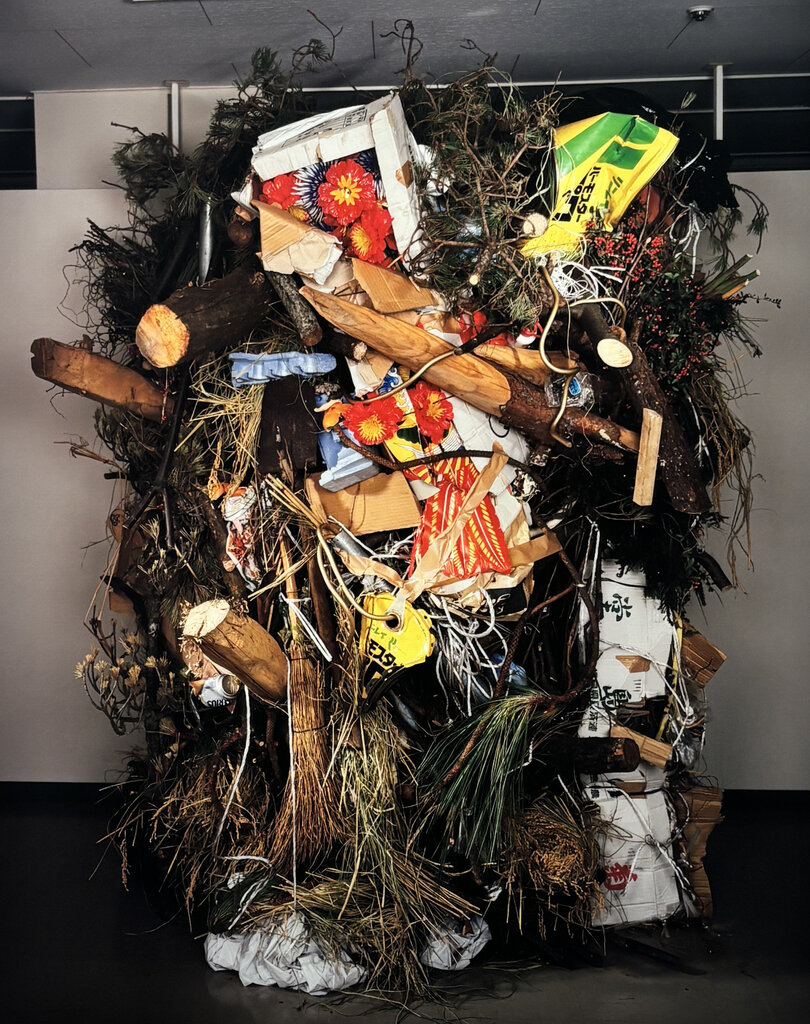
Kosen Ohtsubo, Rubbish of the Ikebana Exhibition, c. 1984, materials discarded during the production of an ikebana exhibition. Produced and exhibited c. 1984 at Ikebana TODAY, Seibu Art Forum, Ikebukuro, Tokyo. Previously unpublished and photographed by the Ryusei Photo Department.
Through Selections from the Photographic Archive of Kosen Ohtsubo, Oldham encourages embracing this philosophy to demonstrate how one can engage with the art of ikebana by finding beauty in the often-neglected objects of our daily lives – starting with organic “waste.”
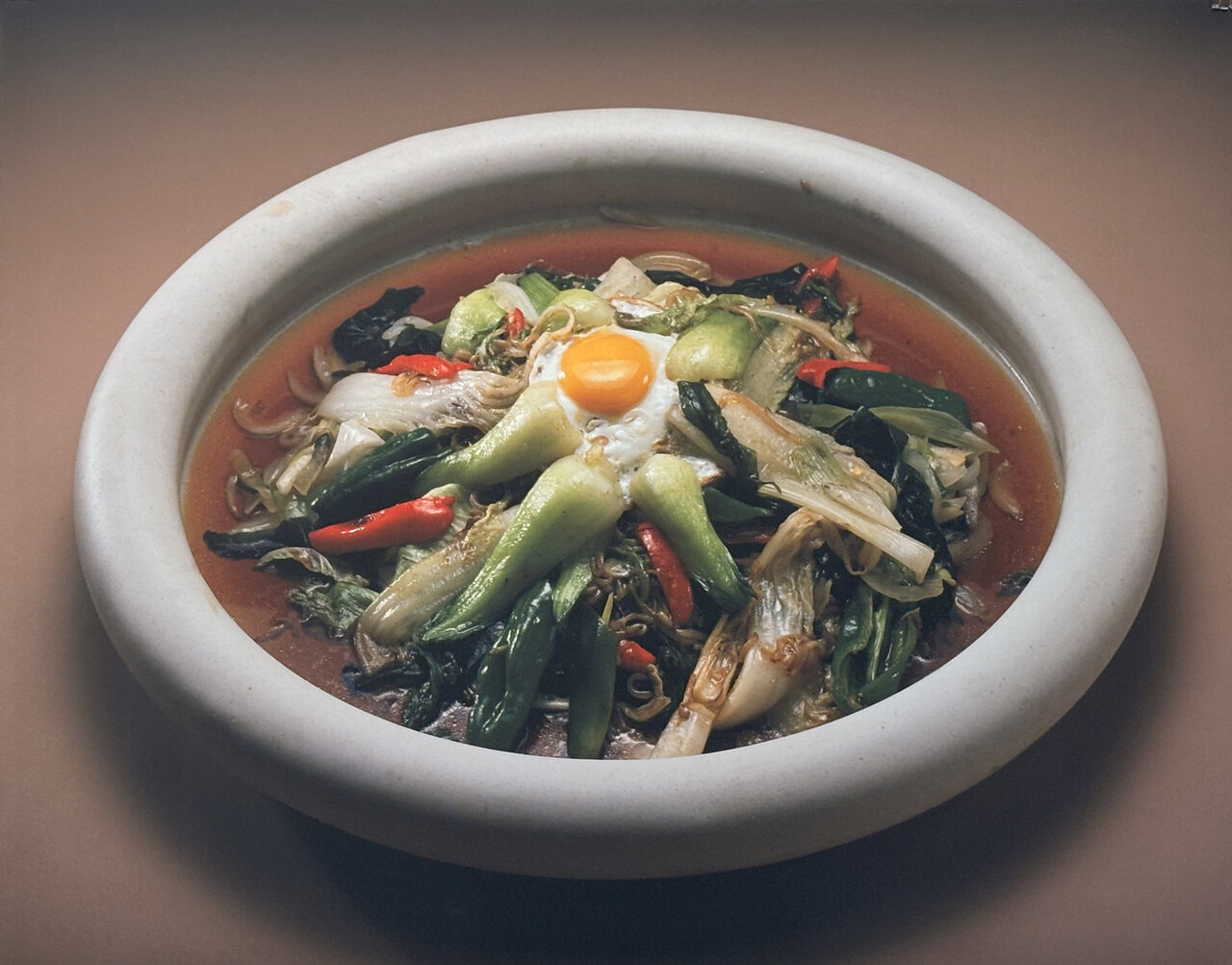
Kosen Ohtsubo, Can Frizzling Vegetables Be Avant-Garde Ikebana?, 1988, bok choi, cabbage, egg, noodle, shishito, pepper, ceramic vessel made by Mobach Keramik. First published in xContemporary Ikebana Today Vol. 1, May 1989. Photographed by the Ryusei Photo Department.
I hope the reader will visit the exhibition to fully grasp Kosen Ohtsubo’s introspective philosophy and Christian Kōun Alborz Oldham’s scholarship on the modern phase of ikebana.
Text and photo: Antonella Pecora Ruiz
*Exhibition information: Selections from the Photographic Archive of Kosen Ohtsubo, November 28, 2025 – January 31, 2026, Gallery 44, Centre for Contemporary Photography, 401 Richmond St W. Suite 120, Toronto. Gallery hours: Tue – Fri 11 am – 5pm, Sat 12 – 5 pm.