
After a period of renovation and redevelopment, the Textile Museum of Canada has reopened its doors with revitalized energy, new exhibitions, and a vision to blend tradition with innovation. Interim Executive Director Urmi Desai shared that the museum’s temporary closure allowed for significant upgrades to the galleries and retail spaces—made possible through generous community donations. The reopening coincides with the museum’s 50th anniversary, marking a celebration of heritage, creativity, and shared cultural stories.
The exhibition Taking Shape: Recent Acquisitions (2022–2025), funded by Partners in Art and curated by Julia Brucculieri, highlights new additions to the museum’s vast collection. Brucculieri described the exhibition as part of an ongoing mission to preserve and share the diverse textile traditions of Indigenous, settler, and immigrant communities across Canada. The show features a wide variety of works—ceramic pieces with beadwork, velvet textiles reflecting queer identity and masculinity, and art by Canadian Inuit, Mosquito First Nation and Latin American creators from El Salvador and Mexico. Together, these works expand the museum’s collection, which now includes over 50,000 objects from around the world.
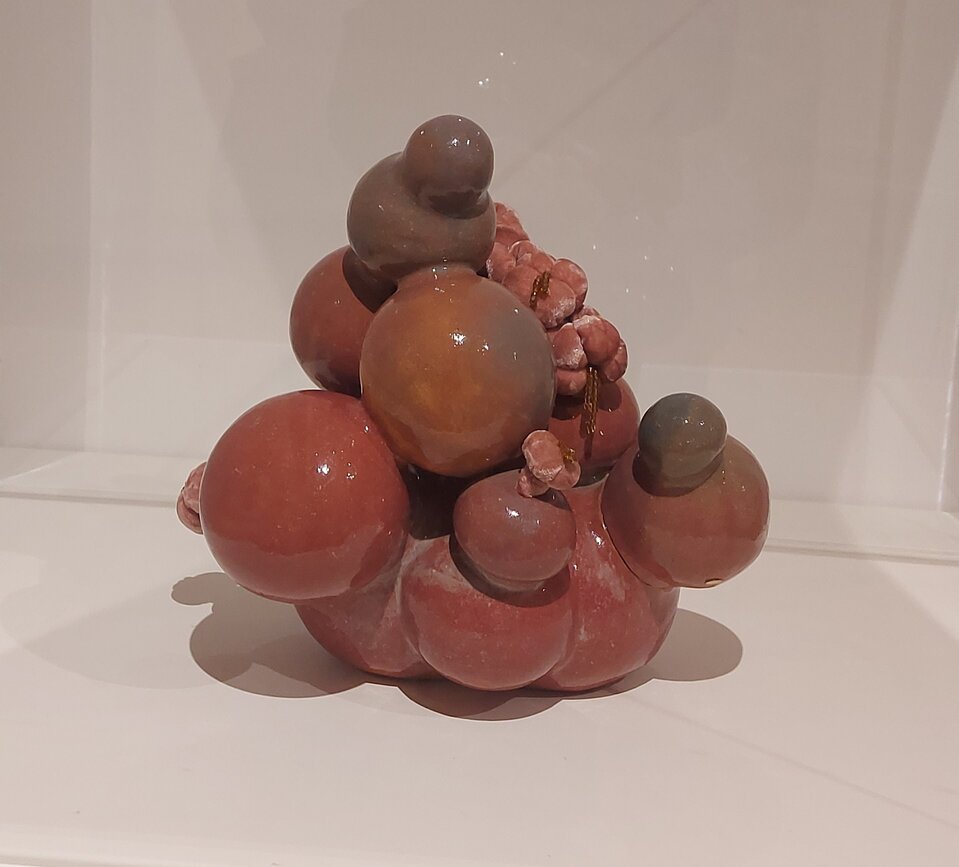
Aria XYX, Rebloom, Sonsonate, El Salvador
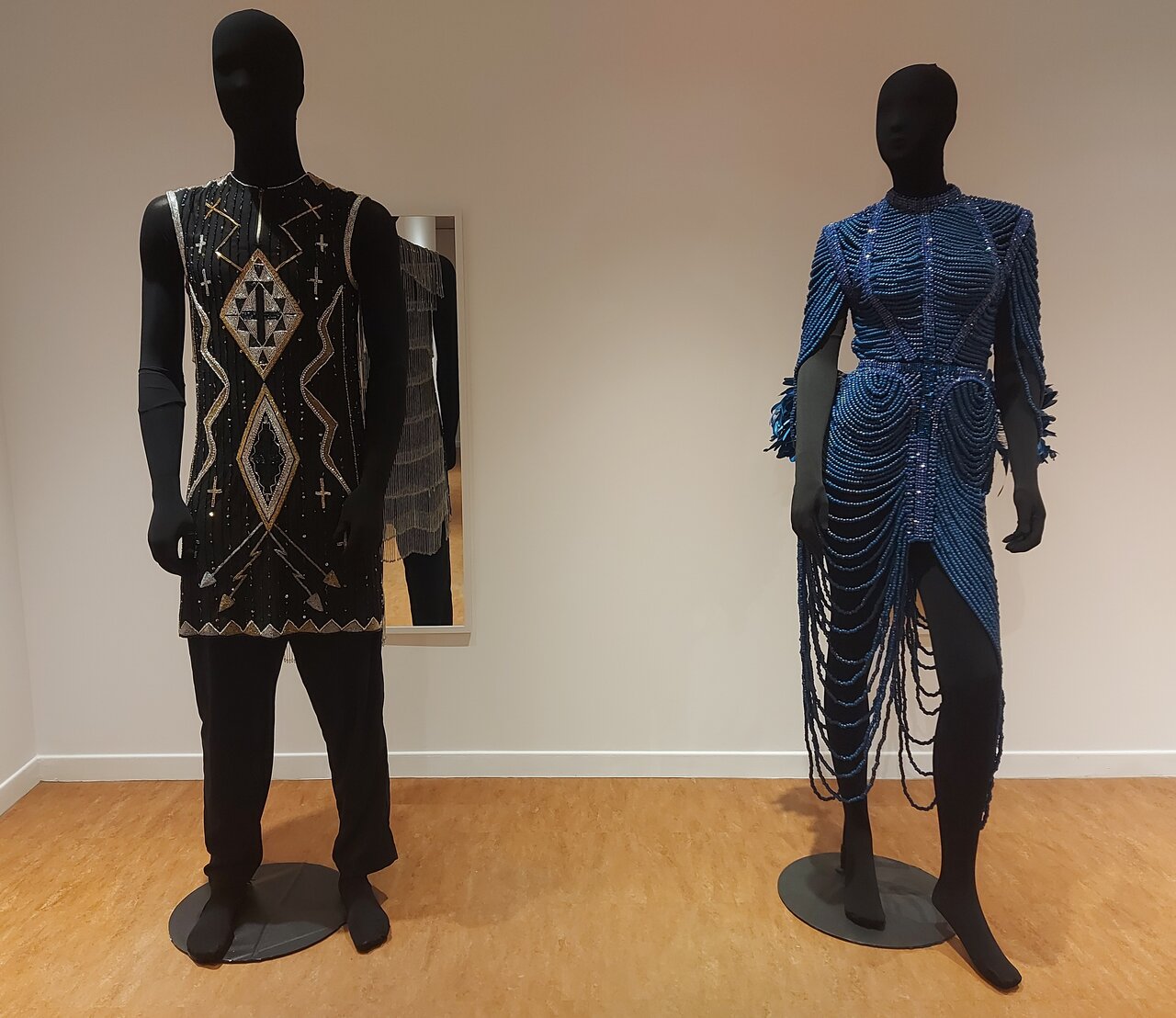
Orlando Dugi, Tunic, New Mexico (left) and Jontay Kahm, Resonance dress, Mosquito First Nation, Saskatchewan (right)
On display alongside Taking Shape is Made by Many, an exhibition that traces fifty years of the museum’s history. It offers a reverse chronological journey—from 2025 back to the museum’s founding in 1975. Highlights include a Japanese Rain Cape woven from seaweed grass, fish-skin garments from Northwest China, and Nunavut textile prints from the 1950s and 1960s.
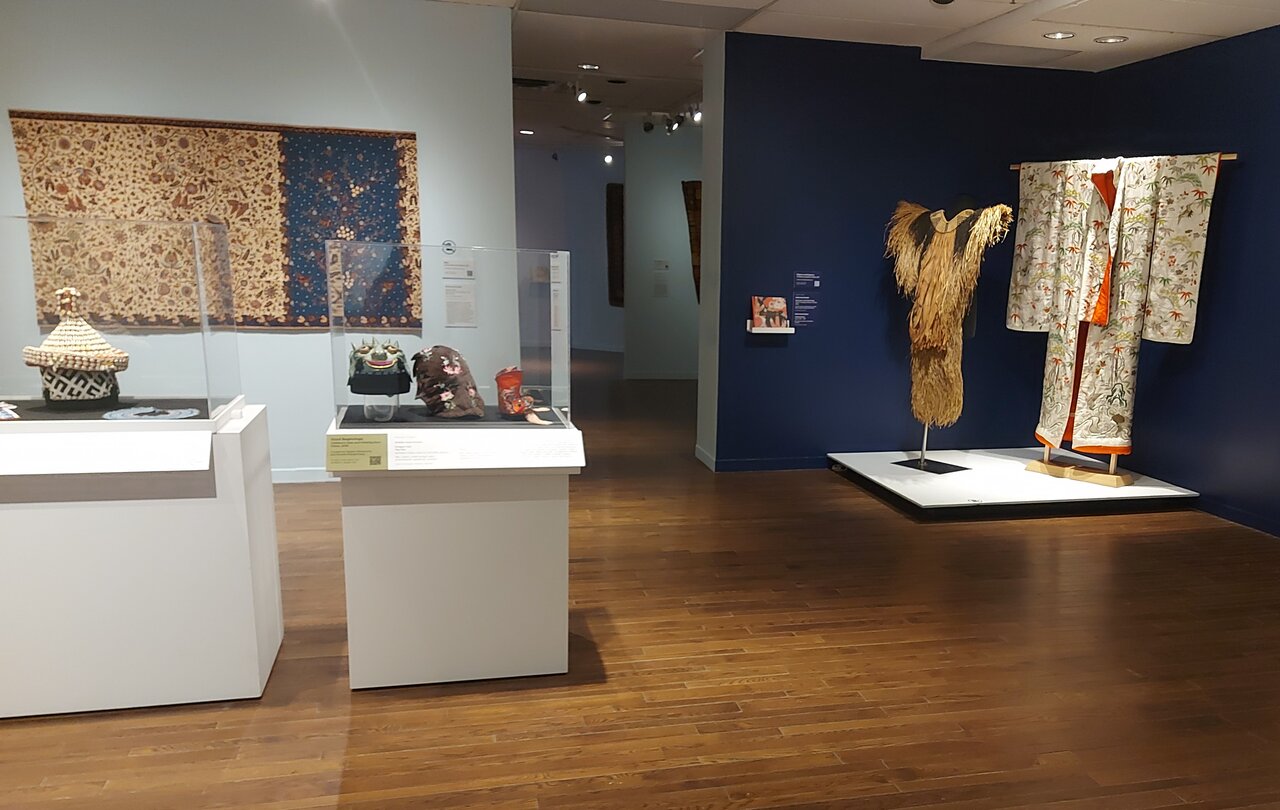
Installation view of Made by Many with Japanese textiles: Raincape and Cloth (right)
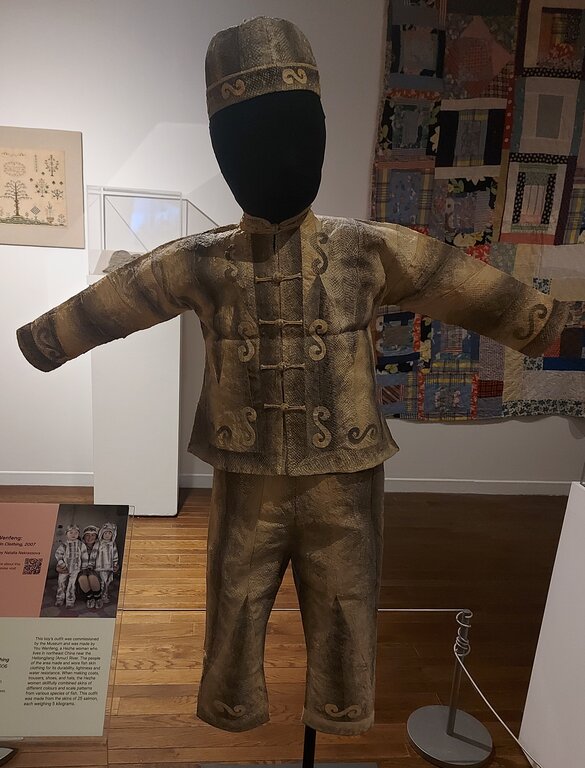
You Wenfeng, Boys’s Fish skin clothing, 2006, Salmon skin, Northwest China
Visitors can engage with interactive tables that allow them to touch samples of embroidery, mirror work, and beadwork—designed for educational use by students and curious visitors alike. The exhibition emphasizes that the museum’s collection has truly been “made by many,” reflecting contributions from artists, donors, and cultures spanning Indonesia, Malaysia, Central Asia, and Canada.
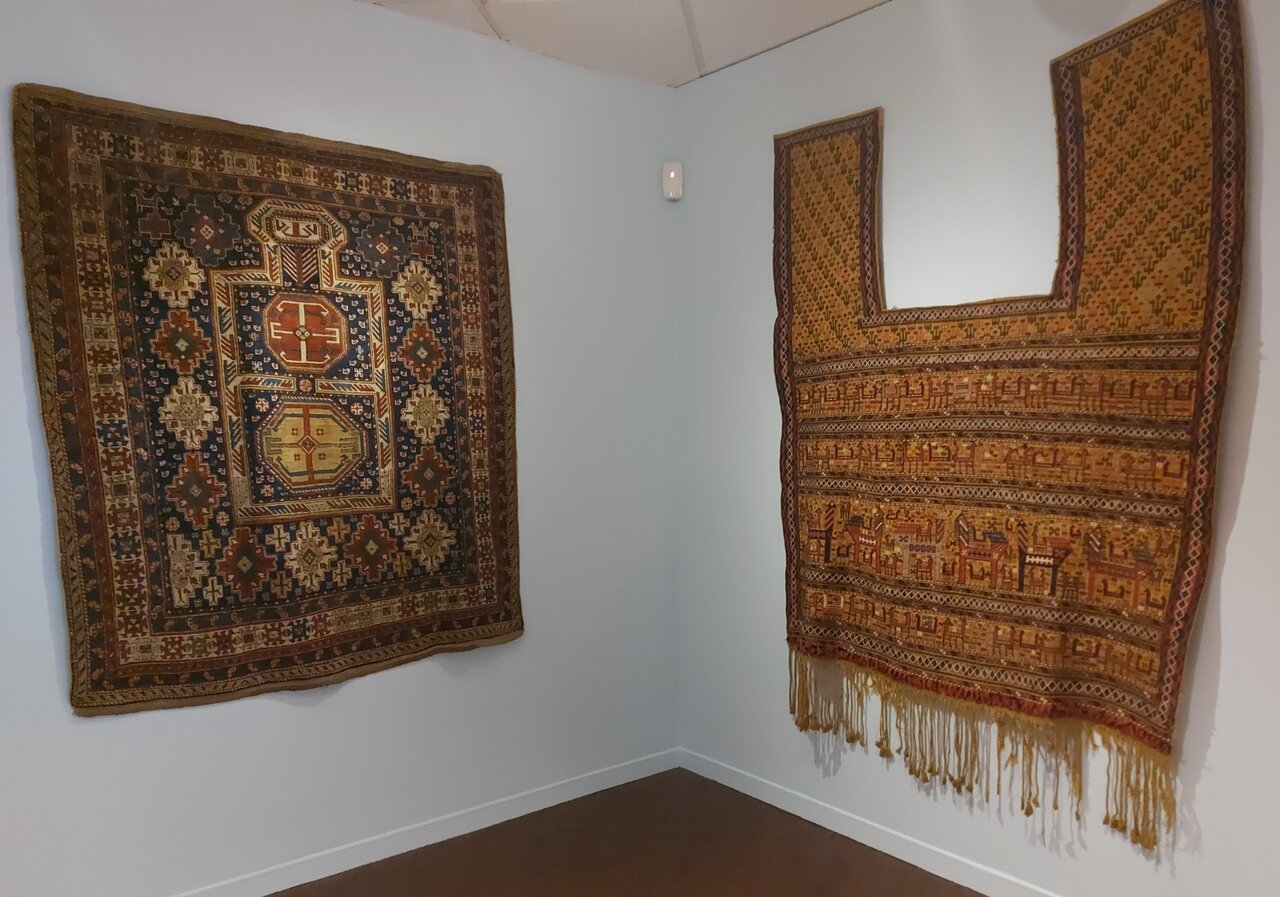
Rug from the land of the Caucasus and Prayer Rug from Azerbaijan
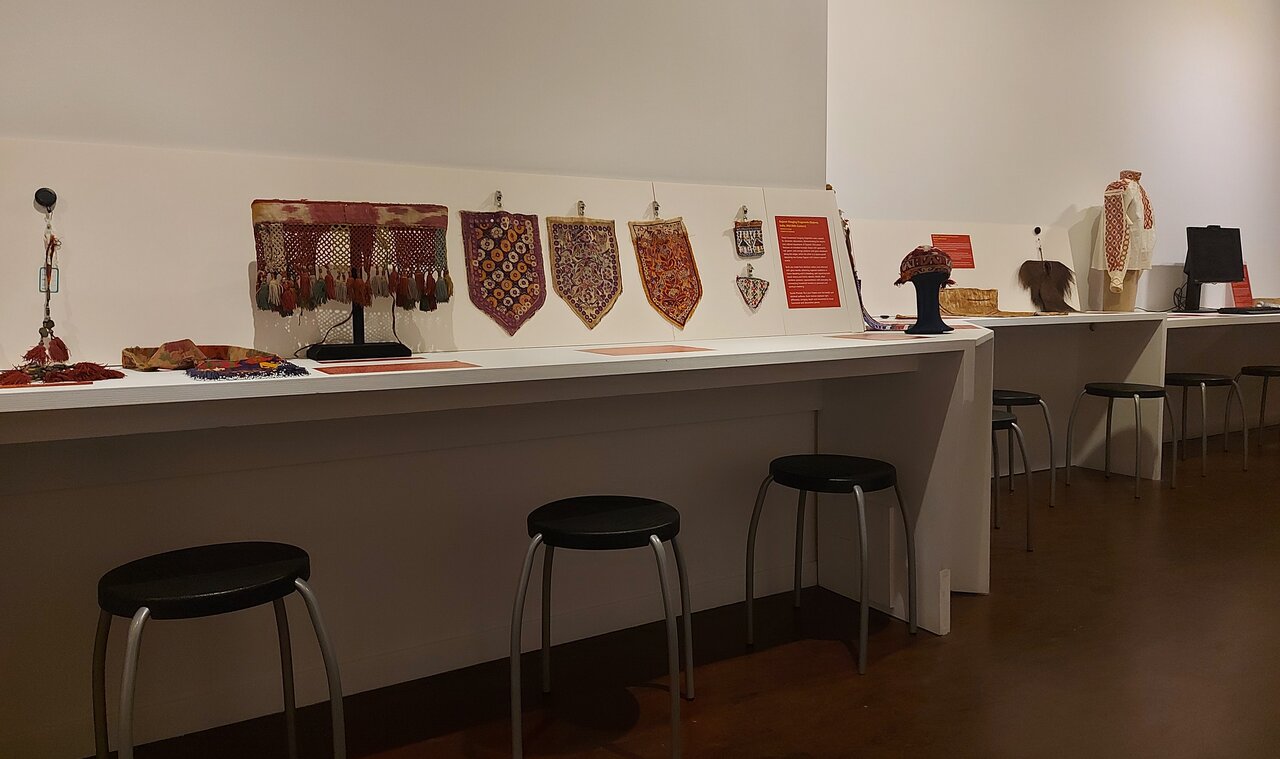
Interactive collection of beaded work, mirror work from India and Pakistan
Positioned between Taking Shape and Made by Many, the installation Meeting Points serves as both a literal and symbolic bridge. Featuring the work of a Nigerian artist, Samuel Nnorom, who previously exhibited at the museum. This work emphasizes the museum’s evolving role as a space for dialogue—a meeting ground for artists, audiences, and communities to connect through textile art.
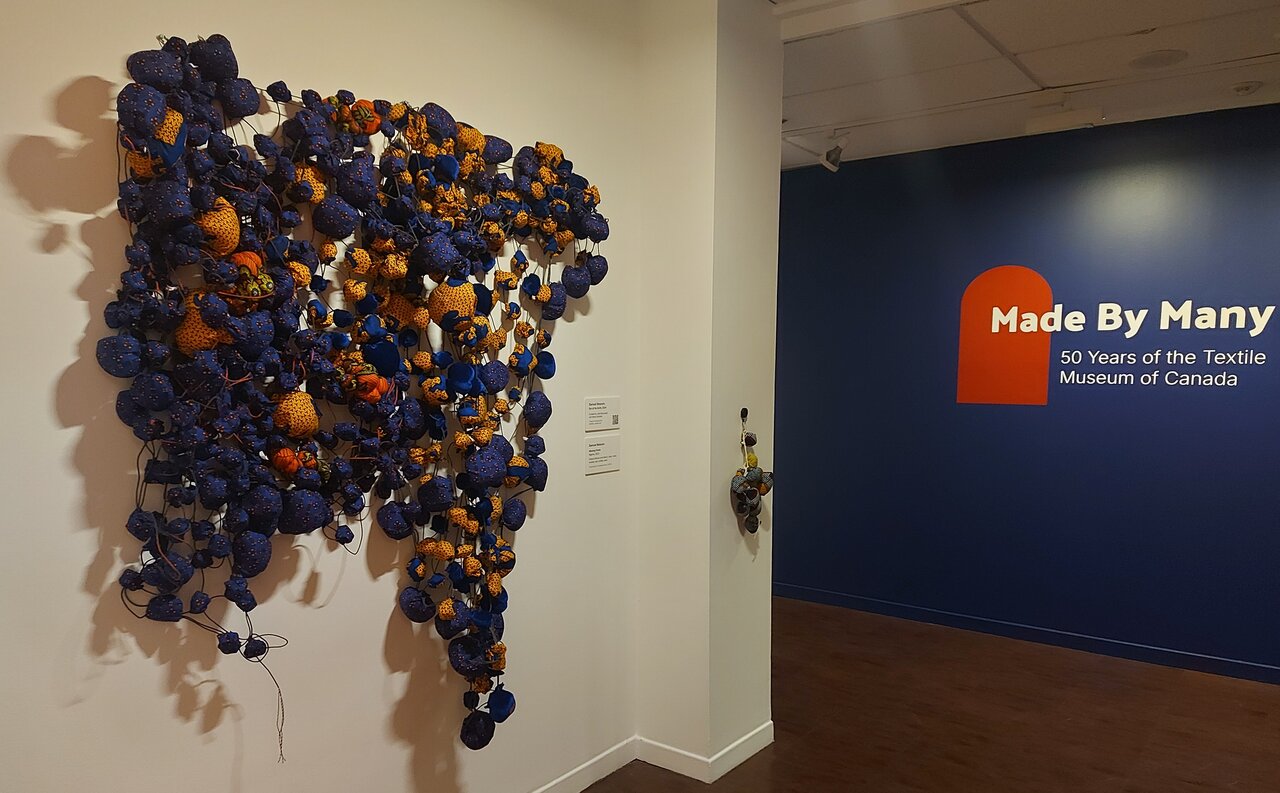
Samuel Nnorom, Meeting points, installation, Nigeria
On the museum’s second floor, the exhibition From Cloth to Code: New Media Responses, curated by Ignazio Nicastro, explores the intersection of textile and technology. Artists reinterpret traditional textiles using 3D printing, digital imaging, and interactive installations. Highlights include digital garments inspired by historical fabrics, a robotic priest wearing a recreated 17th-century chasuble, and works that reflect themes of isolation, transformation, and ancestral continuity.
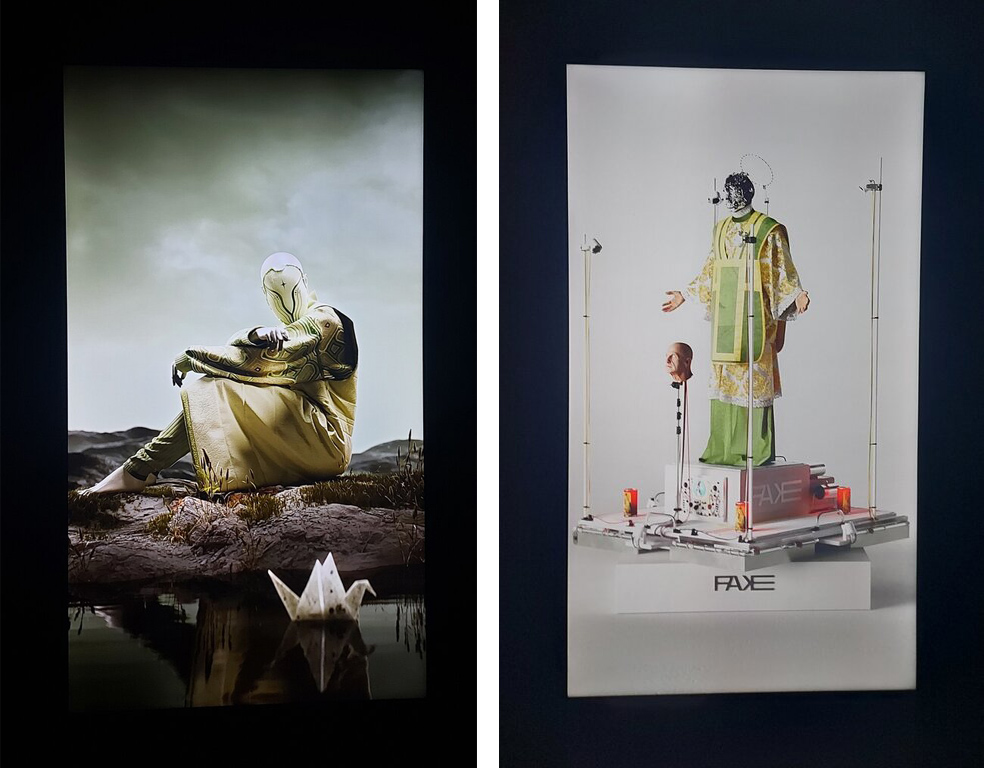
Arice, Vestige, 2025 (left) and Kausha Motamedi, Echoed Voice, 2024 (right)
One particularly evocative piece by Egyptian artist Joy Khalil uses aged fabrics sealed in vacuum bags to symbolize cultural displacement, deterioration, and the evolution of identity through migration and time.
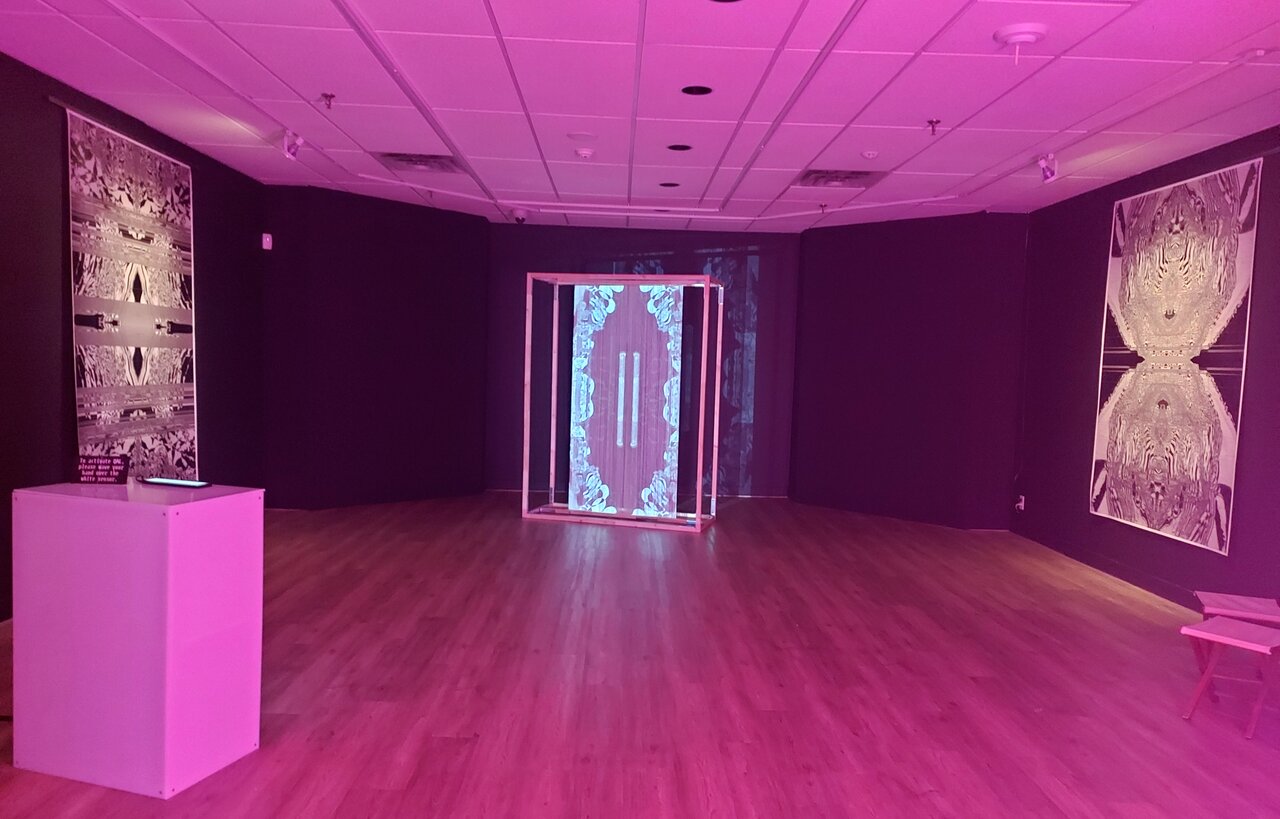
From Cloth to Code exhibition, Ali Phi, Qal, interactive installation
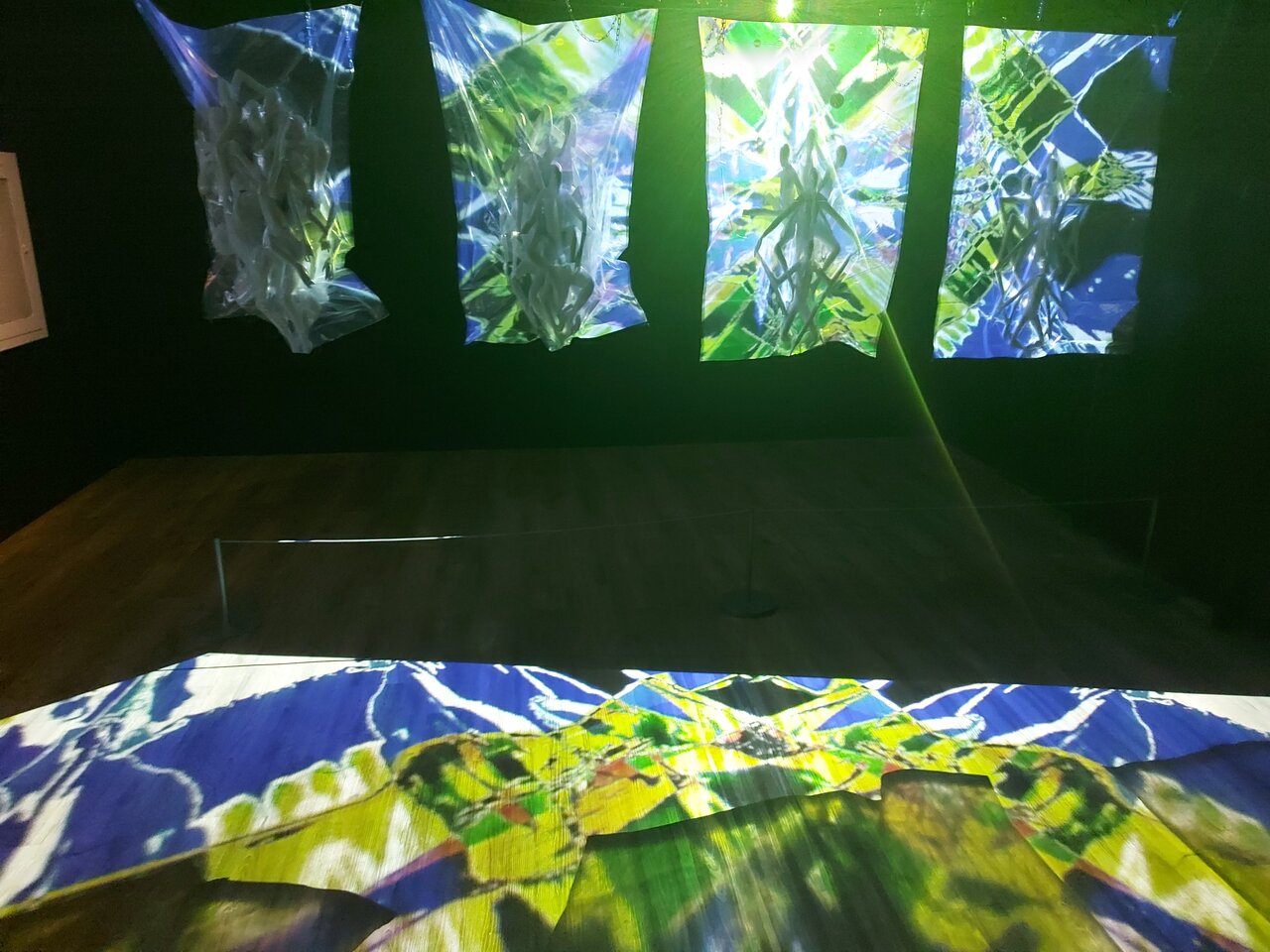
Joy Khalil, Maqamat, multimedia installation
The museum’s reopening also introduces an expanded Learning Hub, where visitors can experience hands-on activities such as weaving, embroidery, and textile conservation. Workshops led by specialists, including Conservation Project Manager Alison Moule, demonstrate traditional and modern techniques on functional looms—encouraging visitors to participate in the art of making.
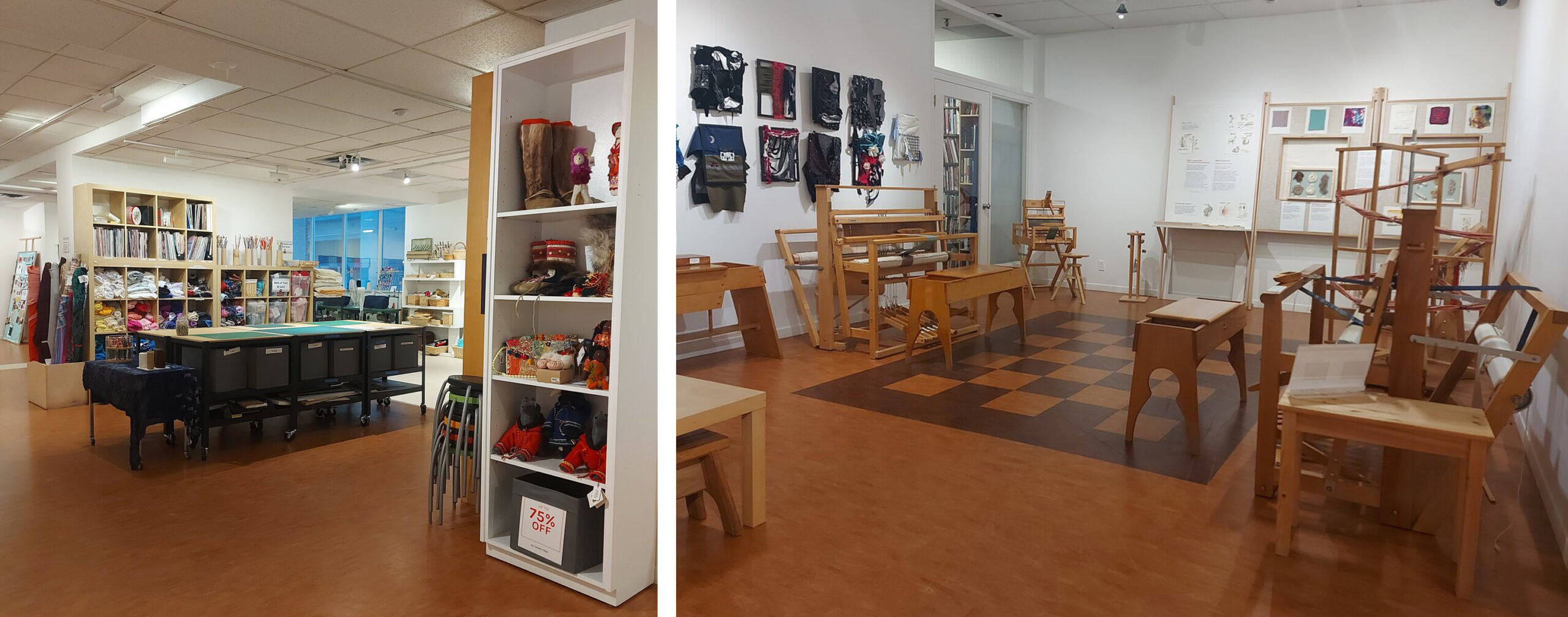
Learning Hub (left) and Hand Loom room (right)
The Textile Museum of Canada’s reemergence is more than a return to form—it’s a reimagining. By bridging the past and future, craftsmanship and code, the museum continues to champion cultural diversity, technological innovation, and creative storytelling through fabric. Its new chapter celebrates not only what is preserved but also what continues to evolve.
Text and photo: Nusrat Papia
*Exhibition information: Taking Shape, October 30, 2025 – August 1, 2026, Made by Many, October 30, 2025 – September 1, 2026 and From Cloth to Code: New Media Responses, October 30, 2025 – February 1, 2026, Textile Museum of Canada, 55 Centre Avenue Toronto. Museum hours: Wednesday – Sunday 12 – 5pm.